
Online dating gives Latino singles a place to explore cultural connection, but ethnicity is not a shortcut to compatibility. A Latino-focused dating space or a general singles site can help people find shared language, heritage, or community; it cannot define what those things mean to each person. Discuss culture with interest, then get to know the person: communication style, limits, values, attraction, and relationship hopes.
Published by Kindred Signal
Latino identity includes many different histories.

Latino identity can reflect roots in Mexico, Central America, South America, the Caribbean, Spain, or several places at once. It may connect to a nationality, Indigenous heritage, Afro-Latino identity, a multiracial background, or family migration across generations. Some people grew up speaking Spanish at home; others understand it more easily than they speak it, speak another language, or use English almost entirely. Latino, Latina, Latinx, Hispanic, Chicano, Boricua, and national identities all carry personal meanings that differ from person to person.
Those differences appear in everyday dating choices. One person may put a holiday, faith practice, or family meal at the center of weekly life, while another values the same heritage with looser ties to those traditions. A match may have close relatives nearby, relatives in another state or country, or little family contact. Dating profiles are stronger when they name real touchstones instead of performing a broad cultural identity. Music, language, faith, cooking, neighborhood community, or a tradition belongs in a profile when it reflects your life, not when it tests someone else’s authenticity.
What language feels natural between you?
Bilingual connection is more than choosing a language for a first message. Ask early which language feels easiest for humor, affection, conflict, and serious conversations. Those moments reveal everyday compatibility far better than a profile label such as bilingual.
Fluency varies by setting and topic. Someone may prefer English for planning and Spanish for emotional conversations, or feel self-conscious writing in either language. Follow that preference without using accent, vocabulary, or fluency to judge cultural belonging.
When family expectations enter the conversation
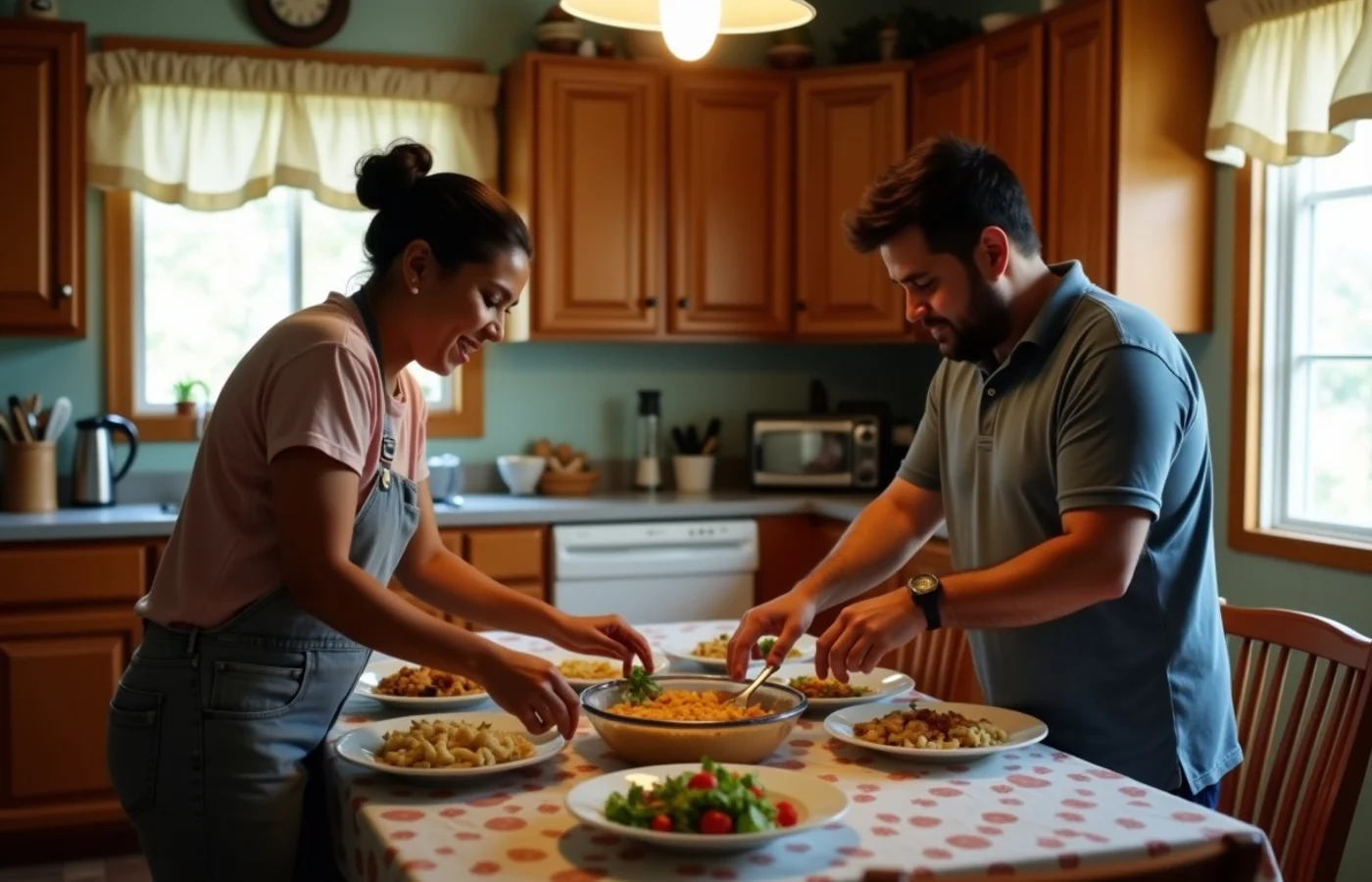
Family often shapes dating life, though its role varies widely. As these matters become relevant, discuss how often each person sees relatives, whether caregiving or financial duties affect their schedule, what meeting family means, and how private they want a new relationship to remain. Someone with Sunday dinner every week and someone who reserves weekends for a partner may both care deeply about family; their schedules simply differ. Early discussion keeps family closeness from being read as automatic agreement about personal limits.
Cultural questions worth asking
Ask about traditions a person keeps, celebrations they enjoy, foods tied to memory, and communities where they feel at home. Faith and gender expectations deserve the same direct questions as relationship goals, especially when either could shape daily life.
Keep the exchange two-sided and focused on the person. Interest in someone’s own experience shows consideration; asking them to speak for an entire country, religion, or ethnic group turns a date into an interview. Listen for preferences and values, not a culturally correct answer.
Shared culture does not guarantee shared direction
- Shared Culture Can Reveal: A similar background can bring immediate recognition around traditions, family references, or experiences of identity. Still Assess: Temperament, emotional availability, attraction, and conflict habits remain individual.
- Shared Culture Can Reveal: Common language preferences can support fuller conversation and reduce the need to translate parts of daily life. Still Assess: Partners still need compatible expectations about frequency of contact, privacy, and how they handle disagreement.
- Shared Culture Can Reveal: A shared community may make it easier to discuss belonging or long-term partnership. Still Assess: Confirm what each person wants: casual dating, exclusivity, marriage, children, a blended household, or another future.
Cultural recognition can create comfort and curiosity. Lasting fit rests on the particulars: how each person communicates, handles family ties, defines respect, and imagines a relationship beyond the first spark.