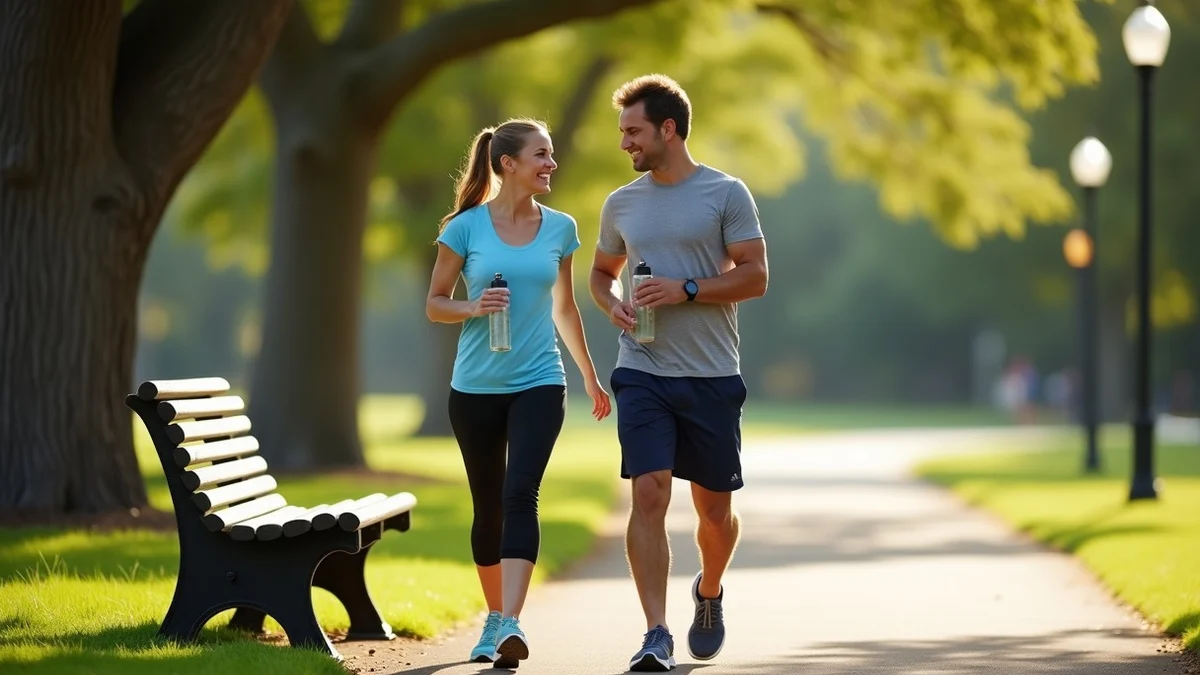
Online dating for fitness singles in Irving works best when a match’s activity habits point to compatible time, energy, and priorities—not merely matching gym photos. A running routine or hiking photo starts a conversation, but it cannot explain how two people handle rest, weekends, social plans, or body image. Fitness supplies context for a fuller life; an early activity then shows whether that life fits alongside yours.
Published by Kindred Signal
Fitness can mean identity, routine, or occasional recreation.

Fitness covers a broad range of habits. For one person, it means training toward races, competitions, or measurable performance goals. For another, it means lifting before work a few days a week, taking long walks, playing a recreational sport, or spending weekends outside. Some people use the word for sleep, stress management, and general well-being instead of a formal exercise habit. Casual interest belongs in the mix too: someone may enjoy biking on a free Saturday without wanting a calendar built around it.
That distinction matters more than sharing one preferred activity. A serious cyclist and someone who enjoys occasional neighborhood walks may both call themselves active, yet expect very different things from a partner’s schedule and shared leisure time. In Irving, work, errands, and social plans can involve travel between areas such as Las Colinas and the rest of the city, so a before-work training routine may shape a person’s week more than the fitness label suggests. Let the label open the conversation, then learn how movement fits into the person’s week.
Shared workouts can reveal useful compatibility clues.
A shared activity reveals how someone handles everyday friction: an early start, a changed plan, a slower pace, or a recovery day that conflicts with a social invitation. Consistency can show that exercise is a fixed commitment; competition can appear in someone’s response when plans become less performance-focused. Social preferences matter too. A person who sees group classes as their main community may arrange weekends differently from someone who prefers solitary runs. None of this delivers a verdict. Together, these details show the pace, flexibility, and shared time a relationship would require.
Intensity or balance?
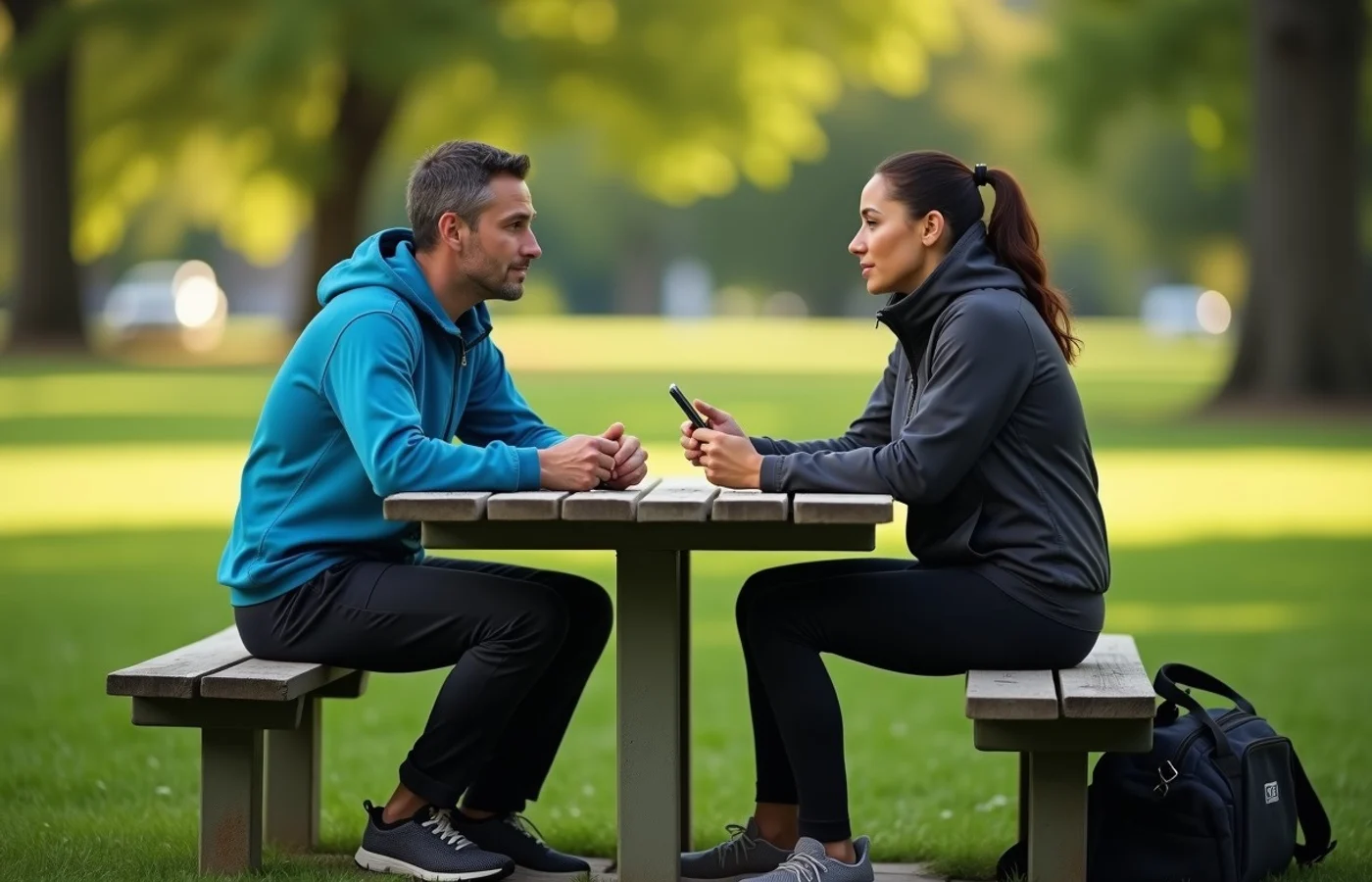
For some singles, fitness shapes nearly every decision. Training blocks affect travel, late nights, holidays, spending, sleep, and meals with friends. That arrangement fits well with a partner who respects the commitment or enjoys the same rhythm. Ask concrete questions: How protected is training time? Are trips planned around events or outdoor objectives? Does an injury or recovery period change the household mood? Is there time for an unplanned dinner, a family obligation, or a slow weekend?
Other people place exercise in a smaller, steadier part of life. They may value a weekly class, a walk after work, or an occasional active outing while preserving time for other interests. That creates different questions: Would a highly structured athlete feel supported, or repeatedly sidelined? Would the less-intense partner feel pushed to turn every date into a workout? Compatibility comes from the agreement beneath the routine. One relationship may thrive on shared training plans; another may work because each person protects the other’s independent time without reading it as rejection.
When an activity becomes the first date
An active first date should create conversation, not an audition. Pick a public, low-stakes format with a natural pause point: an easy walk followed by coffee, a casual bike ride on a route both people can manage, or a beginner-friendly activity where stopping early feels normal. In Irving, select a meeting spot that avoids a long cross-city drive for one person; a midpoint between Las Colinas and Valley Ranch, for example, keeps the logistics fair. Plan around the least experienced participant, and allow changes for heat, fatigue, mobility needs, or simple lack of interest. Performance metrics, pace comparisons, body comments, and jokes about earning a meal distract from the date. Pay attention to conversation, considerate adjustments, and whether both people can enjoy the activity without proving discipline, attractiveness, or athletic ability. A shorter outing often works better. Both people retain enough energy to decide whether a second conversation is worth having.
Ask about the life around the workout
Questions about the surrounding routine reveal more than favorite exercises. Ask when activity usually fits into the week and what gets moved when life becomes busy. Discuss how travel, work deadlines, family plans, and rest days affect the schedule. Food belongs in the context of social life—whether restaurant plans feel easy, complicated, celebratory, or tightly controlled—without turning the conversation into a diet review.
It also helps to learn what fitness provides: solitude, friendship, stress relief, structure, competition, confidence, or time outdoors. Ask what they enjoy when they are not exercising and how they spend a free evening. When body image comes up, focus on comfort and respect instead of praise or scrutiny. Someone who shares your sport may still want a very different life. Someone with a different routine may bring the time, values, and emotional ease that make a relationship feel more natural.
Shared activity matters when it reveals the practical texture of someone’s life: how they use time, respond to limits, include other people, and recover from a demanding week. In Irving, fair meeting logistics and a low-pressure first activity can show those details without turning dating into a fitness test. The strongest connection usually accommodates movement alongside the rest of life.