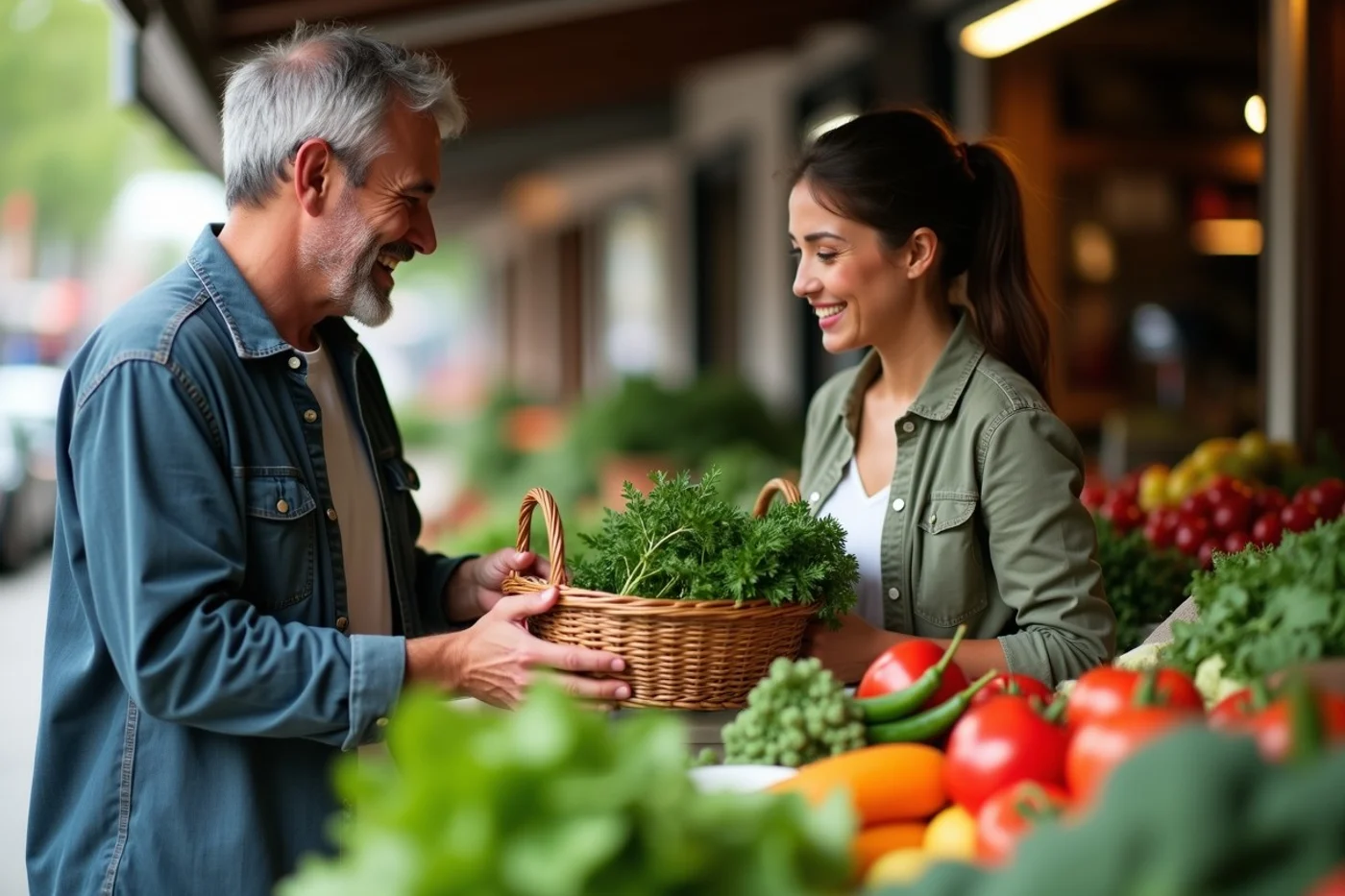
Restaurant chemistry is pleasant, but it is thin evidence on its own. Shared food interests build a fuller connection when they open honest talk about daily rhythms, culture, spending, hospitality, and the kind of time each person enjoys sharing. Use a profile detail or a first conversation to get beyond a mutual craving, then pick a date format that suits both people’s comfort and expectations. The dinner itself is only part of the date.
Published by Kindred Signal
Food reveals more than favorite dishes.

A food detail in a dating profile earns attention when it carries a story. A note about learning a grandparent’s soup, planning a Saturday baking project, or hunting down a seasonal ingredient gives someone a real opening. Food reaches into culture and memory, but it also touches creative interests: are you happiest improvising with leftovers, following a recipe, or making one dish until it is right?
Daily habits emerge too. Do you treat dinner as a quick refuel, an excuse to invite friends over, or the evening’s main event? Preferences around cafés, takeout, cooking, hosting, restaurant splurges, and planning ahead point toward social energy, time, and attitudes about spending. Exact matches are not required. Early conversations work better when both people understand which parts of food carry meaning for the other person, and why.
What can a food preference tell you—and what can it not?
A preference for quick lunches, elaborate home cooking, or trying unfamiliar places describes a rhythm worth discussing. It does not describe someone’s character. A dietary choice does not establish health, income, body size, morality, or relationship skill. Nor does a shared love of spicy food establish long-term compatibility. Treating a lunch order as a character test is a dead end. Food becomes useful when someone explains the context behind a choice and you listen without turning that choice into a verdict.
When dietary needs shape the date
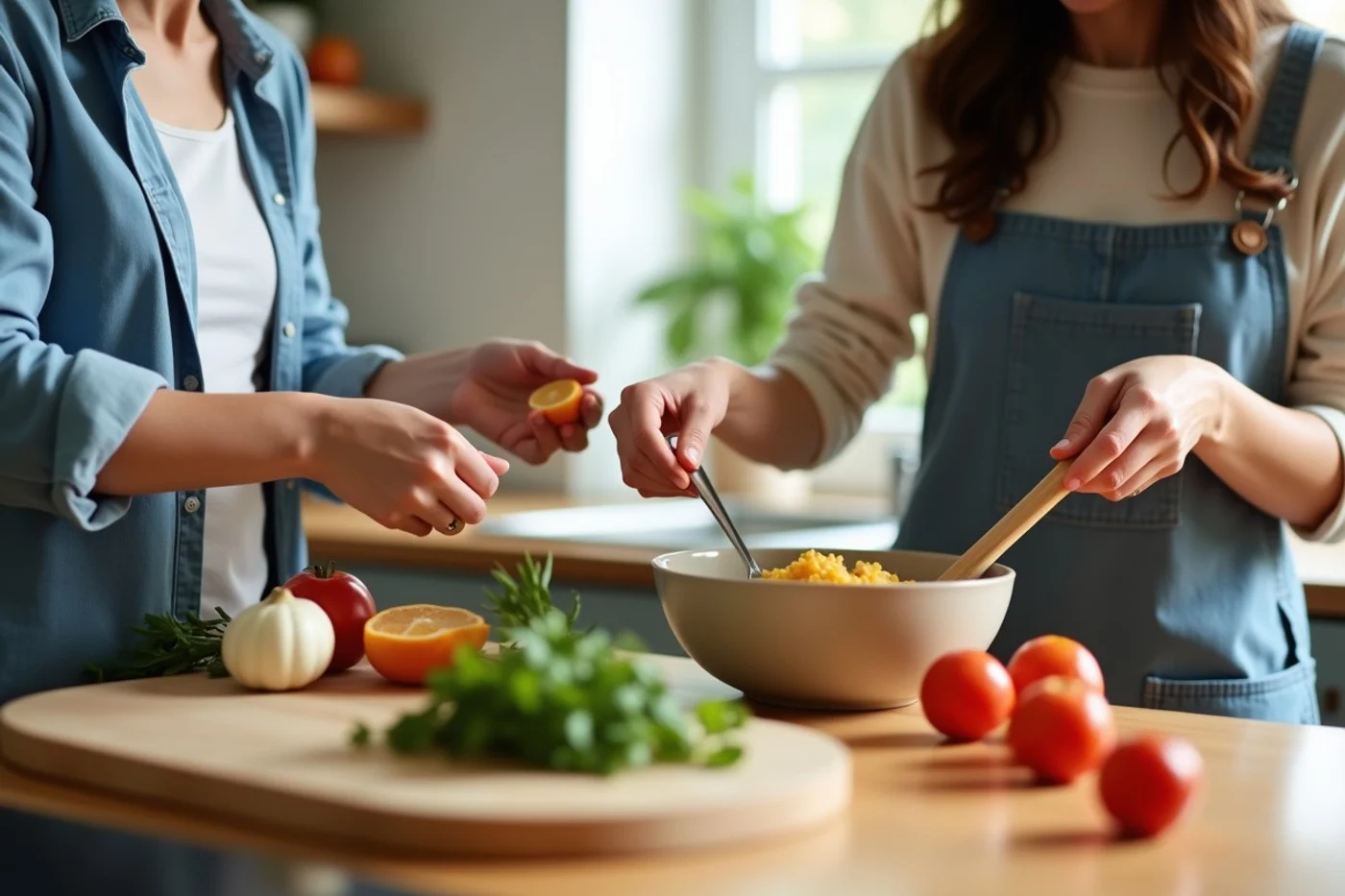
Bring up dietary needs before a venue is locked in, using a matter-of-fact question about what food settings work and what to avoid. Allergies, religious observance, ethical commitments, medical restrictions, sensory aversions, and simple dislikes deserve the same courtesy: take the answer seriously, and do not ask someone to argue for it. An individual with a serious allergy should decide whether a kitchen’s procedures feel adequate; a date should not promise that a restaurant is safe. Restaurant comfort includes more than ingredients. Someone may avoid alcohol-centered spaces, dislike crowded tasting events, prefer vegetarian options, or need a clear plan instead of a spontaneous crawl. Pressing for a backstory turns a reasonable request into an audition.
Food-centered date formats
Food-centered dates work best when the format gives you something to do as well as something to discuss. Pick the setting for the kind of connection you want to explore, not for how impressive it looks.
Let curiosity lead the menu
Move beyond favorite dishes with questions that invite a story: Which meal reminds you of home? What food did you learn to make, and from whom? Is travel more interesting for local grocery stores, long dinners, or something else? These questions show how food carries history without treating anyone’s background as an exhibit.
Then ask about the present: What does a satisfying weeknight meal look like? Do you enjoy hosting, or do you prefer a quieter table? When plans change, such as a reservation falling through or one person running late, what response feels considerate? The answers touch on flexibility, communication, and day-to-day life, not just appetite.
Food is a useful doorway, not a verdict. Let it bring out the stories, needs, and routines behind a person’s choices, and you’ll learn far more than either person’s standing order.