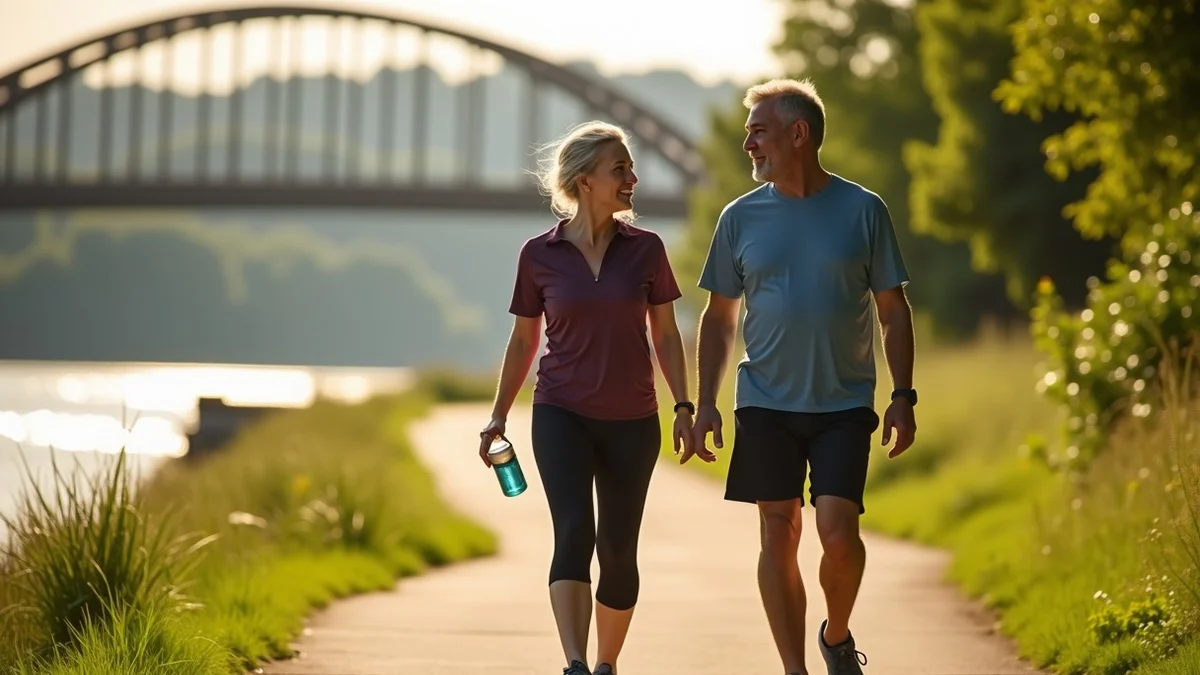
Pittsburgh dating profiles often place an active lifestyle beside trail photos, race medals, or gym snapshots. For fitness-minded singles dating locally, shared activity reflects relationship compatibility only when time, intensity, cost, social energy, and respect for limits line up. A favorite workout alone says little about how two people will spend a Tuesday night, a rest day, or a weekend.
Published by Kindred Signal
Fitness compatibility has more than one meaning
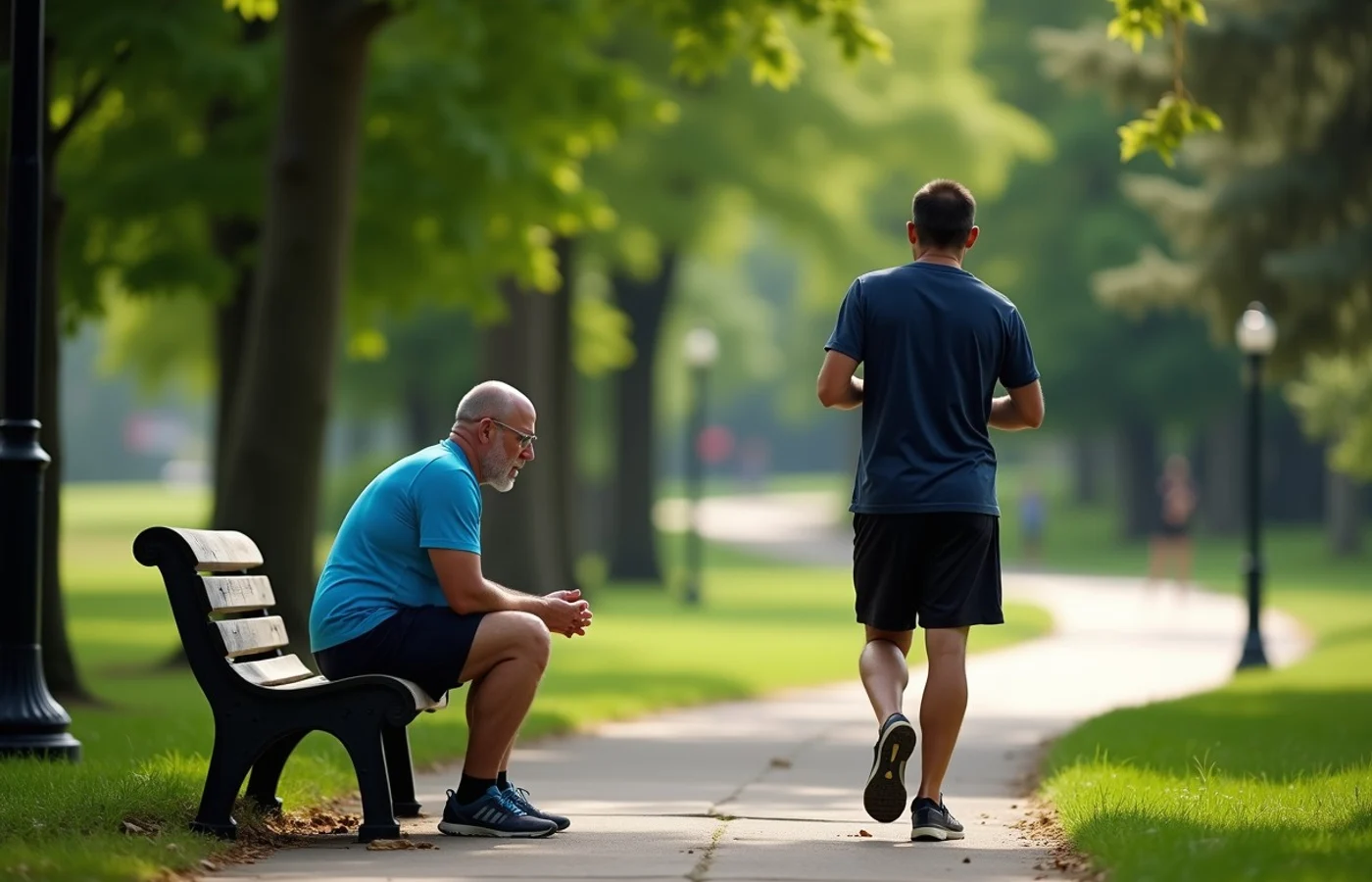
Fitness describes several different lives. One person trains competitively toward a race or climbing milestone; another walks after work, cycles on weekends, or uses movement to clear their head. Outdoor recreation, a health routine, and a fitness-centered social identity all fit the same broad label, yet they ask different things of a partner.
In Pittsburgh, a Saturday on steep terrain and a low-key evening walk are both active plans. One involves ambition and recovery; the other leaves space for dinner, conversation, and a late start Sunday.
A shared activity can hide different expectations
Two profiles can feature running shoes and still point to incompatible routines. Intensity is the obvious divide, but it is not the only one. One person plans events months ahead; another refuses to surrender every weekend to a training calendar. One enjoys exercise because it is social, while another needs it alone after a crowded day. Appearance, personal health, confidence, competition, and community draw people to the same activities for very different reasons. Spending also deserves plain language: gear, entry fees, class packages, and destination trips carry different weight in a household budget.
A profile becomes more useful when it names the shape of a routine. Mention a couple of evening walks, weekend trail time, or an occasional class with friends. Leave achievements and body metrics out unless they truly organize your life. In Pittsburgh, location belongs in that picture too. An after-work plan that starts on one side of a river and ends on the other involves bridge crossings, hills, and travel time; it does not fit every schedule. This language gives a match a usable picture without turning a profile into a scorecard.
When the first date becomes a performance test

An intimidating activity is a poor first-date filter. A fast run, technical climb, or long hill route asks a stranger to display confidence, equipment, physical capacity, and local knowledge before either person knows whether conversation flows. In Pittsburgh, a route that looks short on a map can include a sharp grade, a bridge crossing, and an awkward return trip. That is logistics disguised as spontaneity. Suggest a short, accessible activity in a public setting, with a clear end time and an easy option to sit and talk. The date should reveal attentiveness, humor, and ease—not rank somebody’s endurance.
Some people treat a strenuous invitation as a statement about values. It is not. Disability, injury recovery, caregiving, shift work, unfamiliarity with an activity, or plain disinterest in competition all set legitimate limits. Declining the format does not signal lesser interest. A match who presses, mocks, or turns body size and pace into moral evidence has supplied an answer about compatibility. Do not bargain for basic respect by taking the harder route. Shared activity is promising when both people have an equal say in its level, cost, access, and social pressure.
What does an active lifestyle look like day to day?
Useful questions are specific: How many days does movement take up? Is it for competition, stress relief, friendship, time outdoors, or a health routine? What does recovery or a rest day look like? Answers show the rhythm behind an active label.
Ask how date plans accommodate access needs, budgets, and energy levels, and whether group settings feel energizing or draining. In Pittsburgh, add one local constraint: is a weeknight activity worth crossing a river or climbing a hill after work? That answer says more than a profile photo.
An active match is not automatically a compatible partner. The stronger connection comes from honest scheduling, mutual respect for physical limits, and a version of movement that leaves both people feeling included. In a city built around hills, rivers, and distinct neighborhoods, that conversation belongs near the beginning—not after someone has already felt judged.