
Philadelphia holds memories close: a familiar block, a restaurant passed on the way home, a holiday table that now has an empty chair. For widows and widowers in Philadelphia, online dating offers a measured way to meet someone new without pretending grief has ended. You can honor a late spouse, continue meaningful family traditions, and still grow curious about another person. Returning to dating is less about reaching a prescribed milestone than recognizing what kind of connection you can offer now.
Published by Kindred Signal
Returning to dating does not follow one timetable.
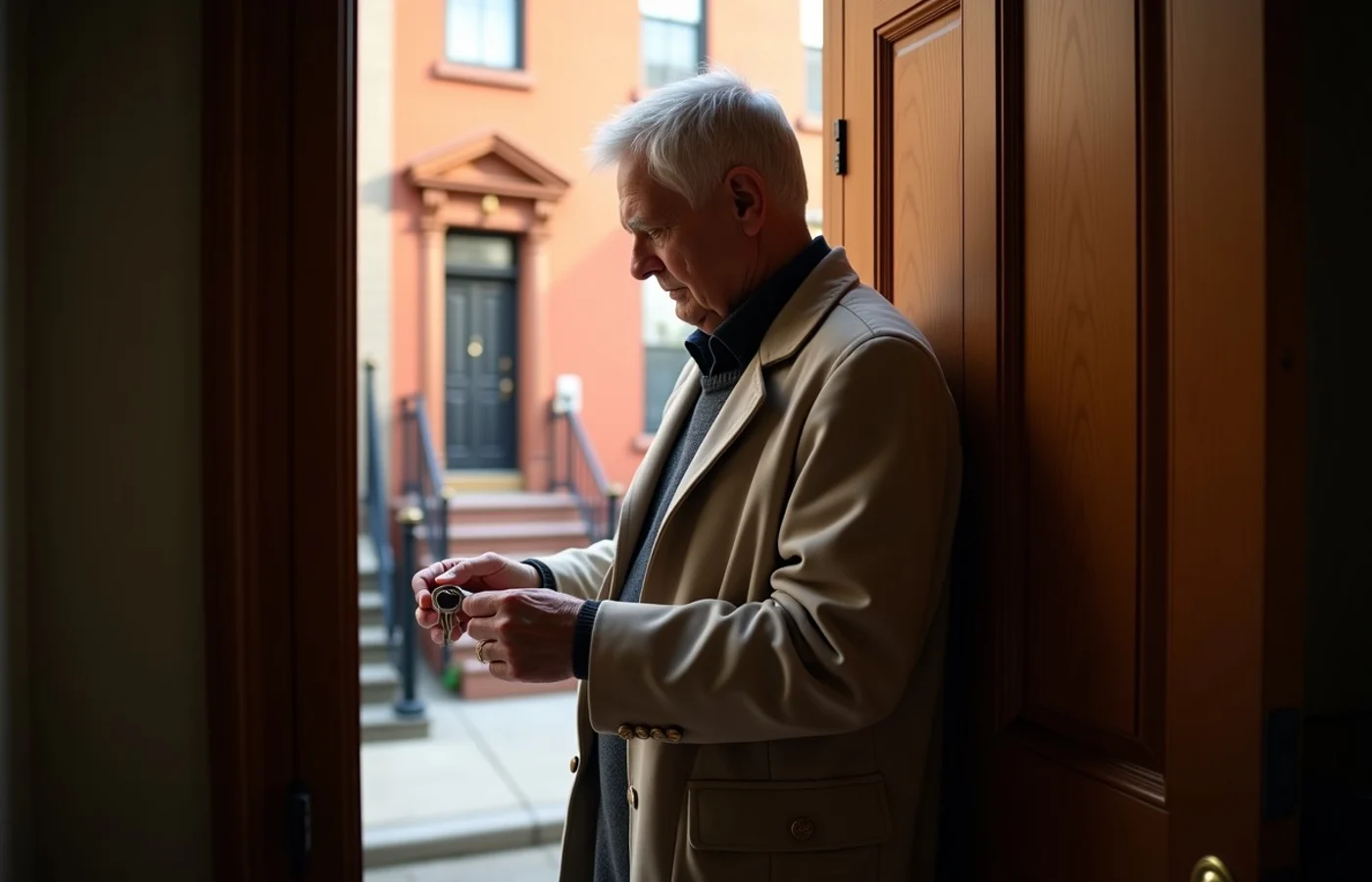
Some people open an app because they miss companionship after a long stretch alone. Others feel ready for romance, conversation, or a reason to leave the house on a Saturday. The time since a spouse died settles none of those questions by itself. Grief may remain on a day when interest in another person feels real, and a long wait does not automatically create readiness. In Philadelphia, old routines often tie themselves to neighborhoods, seasons, and family gatherings, so dating can resume in starts and stops. A promising conversation can coexist with a difficult anniversary. That is neither a contradiction nor a failure of loyalty.
A new relationship is not a replacement.
A late spouse remains part of your history, while the person you meet now is building a different relationship with you. Comparisons often sound sensible at first—who was more outgoing, more patient, or better with family—but they turn a living person into a scorecard against someone they never had the chance to know. The distinction should stay clear. You can retain photographs, observe a meaningful date, and speak warmly about your marriage while allowing a new person to have different habits, humor, interests, and limits. Pay attention to what happens between you: Are you comfortable together? Do they follow through? Can you enjoy an evening without grading it against the past? Those questions are fair to both people.
What can bring grief into an ordinary date?
Grief rarely announces itself politely. It can arrive when a date suggests a neighborhood you once visited with your spouse, when an anniversary falls near a planned outing, or when a casual question about past relationships opens more than expected. Couple-centered holidays, a song in a café, or a change in how adult children respond to your dating can also land hard. In a city where crossing from one familiar part of Philadelphia to another passes through years of shared routines, a new setting for an early date may feel less loaded than an old favorite.
Readiness is visible in how you can participate.

Readiness shows up less in certainty than in participation. Trying a date makes sense when curiosity about another person's life can sit alongside your own loss, when you can stay present for a meal or walk, and when you accept that a first date might be awkward, tender, or unremarkable. It helps to know your limits around remembrance too. Perhaps mentioning your spouse feels fine, while discussing the circumstances of their death does not. Perhaps certain dates belong to family and solitude. Those limits work. Pausing an app after a difficult interaction works as well. A harder sign appears when every exchange leaves you depleted, detached, or unable to see the other person as more than an interruption to grief.
Tell your story at a pace that protects you
Strangers are not owed the full account of your marriage or loss. A profile can say that you are widowed when that context feels important, or you can wait until an early conversation has shown basic respect. Share enough to prevent confusion, then turn toward who you are now: your routines, interests, values, and hopes for dating. Details about illness, final days, finances, or family conflict can remain private indefinitely. A considerate date will understand that widowhood matters without taking it as an invitation for questions. When someone presses for information you do not wish to give, take that seriously. Philadelphia is large enough that you need not continue with someone who mistakes access for intimacy.
Let the relationship develop without a comparison test
Judge a new person by their own conduct. Pay attention to consistency, kindness, compatible expectations, and how you feel in their company—not to whether they recreate an earlier marriage. A quieter partner may suit your life without resembling your spouse; a familiar trait may comfort you without proving compatibility. Preserve the parts of life that matter as dating develops. Continue remembrance rituals, maintain friendships, and give family relationships their own space instead of making a new partner responsible for every reaction. In Philadelphia, a relationship may need space around established Sunday dinners, holiday traditions, or the distance between households. Slow pacing is not an apology. It gives affection time to become its own experience.
New connection does not erase a shared life. Date in a way that honors your memories, present responsibilities, and the simple pleasure of discovering who another person is.