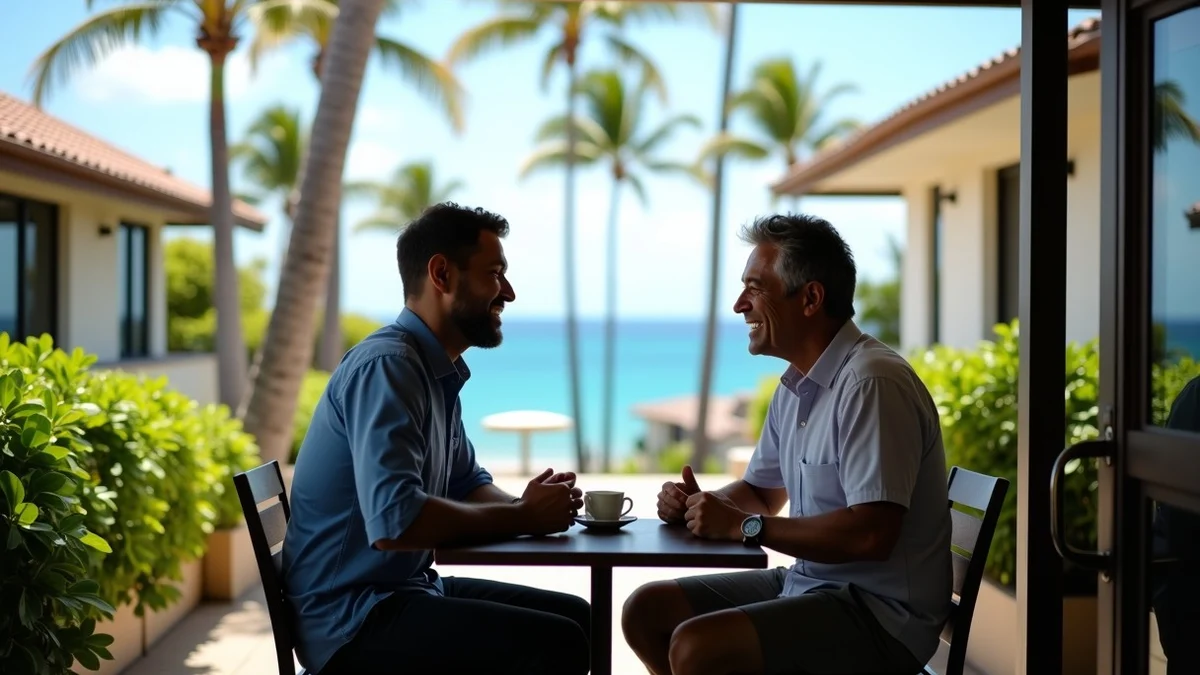
Honolulu dating often unfolds inside overlapping circles: a shared friend, a familiar community space, or a profile located on the same island. Gay singles in Honolulu find more meaningful prospects by treating location and shared identity as an introduction, then discussing availability, distance, visibility, and the kind of relationship each person wants. Oahu’s layout turns those details into part of the dating decision, not background noise.
Published by Kindred Signal
Honolulu’s Gay Dating Context
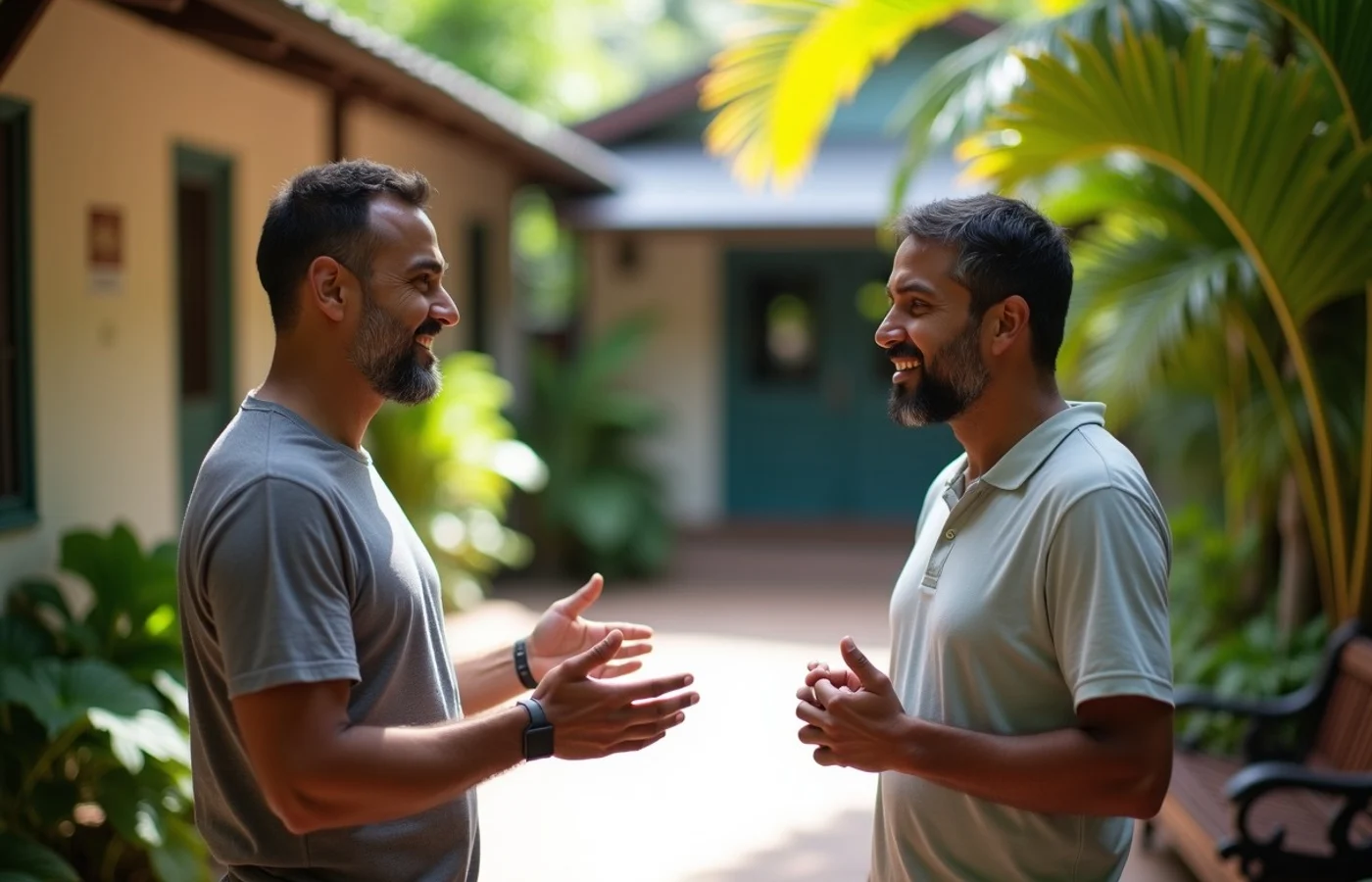
Honolulu is not a single dating zone. A profile tagged Honolulu does not tell you whether someone lives close to your routine, commutes across Oahu, or spends most of the week elsewhere on the island. A match near Waikiki or downtown involves different meeting logistics from one based in central Oahu, on the Windward side, or toward the Leeward coast. Distance shapes spontaneity, especially once the first few meetings give way to regular plans.
Community overlap adds another local layer. A nearby match may be only one social step away through friends, work, LGBTQ+ gatherings, or former dates. That familiarity can feel reassuring, but it also raises the stakes of a casual introduction. Some people enjoy a connected local scene; others prefer dating arrangements that do not quickly spill into every part of their social life.
Shared Identity Opens the Door, Not the Whole Relationship
Being gay supplies a shared point of reference, not a ready-made partnership. It says nothing definitive about how someone handles conflict, where they stand on exclusivity, how much time they have for dating, or what place family, faith, work, and friendships hold in their life. Two men can share a local community and still be looking for entirely different futures.
Compatibility becomes clearer through specific dimensions: relationship intention, preferred pace, weekday and weekend routines, social energy, money habits, alcohol or nightlife preferences, and willingness to plan around another person. Someone seeking a committed relationship may still have little space for frequent dates. Someone who enjoys public community events may also prefer a low-key relationship outside them. Those distinctions deserve attention before chemistry is asked to carry the whole connection.
A Match Across the Island
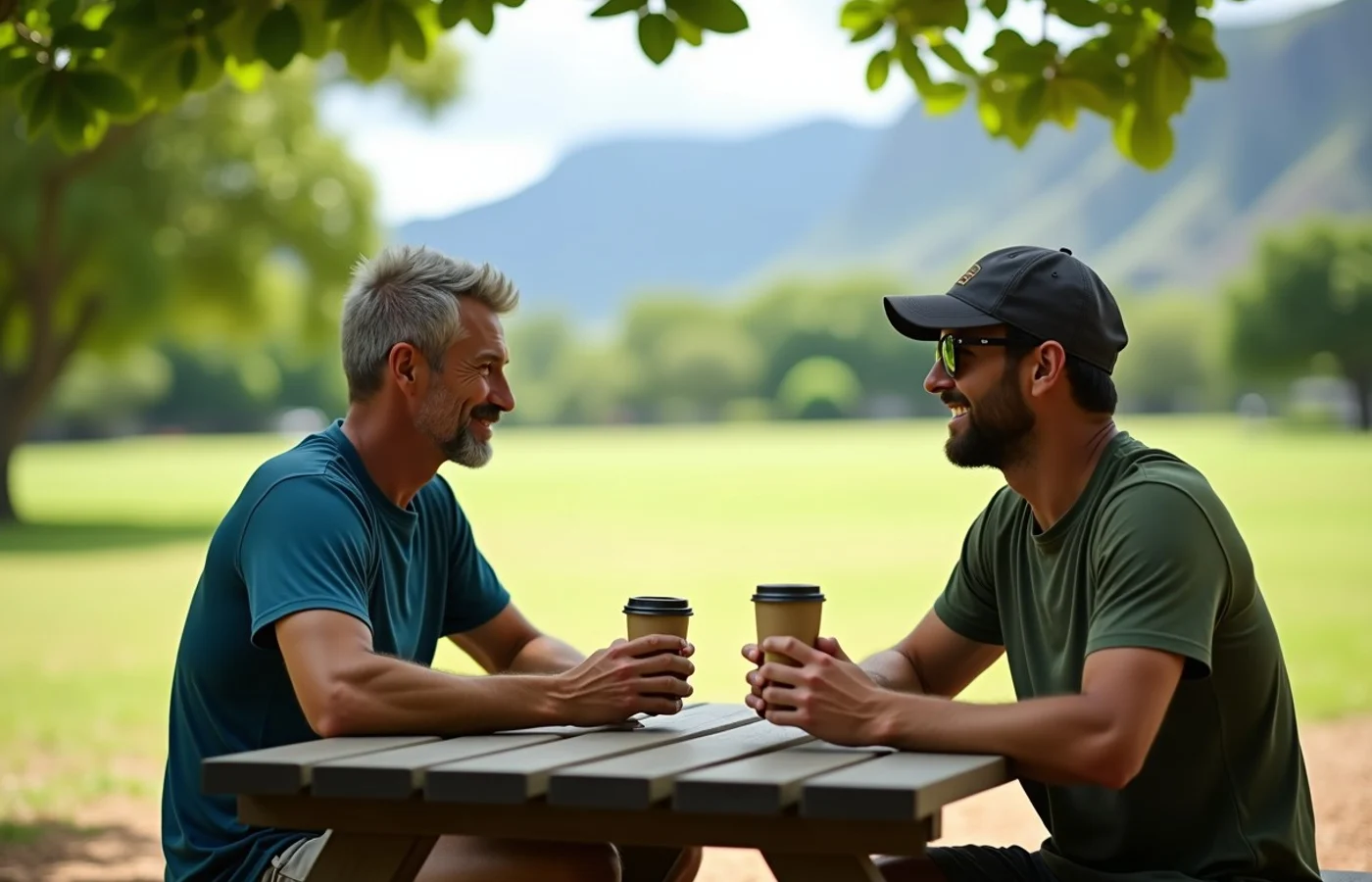
For a hypothetical pair, one living in Honolulu proper and the other in Kapolei or on the Windward side, travel is not a one-time inconvenience. It becomes part of each date: who drives, where meetings happen, and whether either person resents being the one who always crosses the island.
Set expectations early about how often you both realistically meet and what communication looks like between plans. A connection that works with one planned date a week needs a different rhythm from one built around frequent short meetups. The relevant question is not who lives closer; it is whether the effort feels mutual and sustainable.
Community Familiarity or Personal Privacy?
In a connected local scene, a dating profile or public outing may be seen by colleagues, friends, relatives, or people who know your former partner. Participation in LGBTQ+ spaces does not obligate anyone to disclose a dating life broadly. Decide what identifying details belong on a profile, what photos feel appropriate, and when personal information such as a workplace or home area should be shared.
There is also no need to choose between total visibility and complete withdrawal. Someone may enjoy community events while limiting profile details, or date openly with people they trust while avoiding public displays before a relationship feels established. State your comfort level plainly when it becomes relevant.
Let the Conversation Become Specific
Move beyond identity labels by asking about the shape of a person’s actual week. Find out how they spend time outside work, whether weekends are usually open, how often they see friends or family, and what they enjoy doing on Oahu when they are not dating. Interests matter, but routines reveal whether two lives have places to meet.
Relationship terms also need more detail than a profile checkbox provides. Discuss what dating exclusively means to each person, whether they are open to a relationship that develops gradually, and how they handle contact between dates. For people with different parts of the island to cross, this is especially important: a person who prefers frequent in-person time may not be aligned with someone who treats dating as an occasional weekend activity.
Specific conversation also distinguishes genuine interest from local familiarity. Shared acquaintances, a shared identity, and a nearby location create an easy opening. Values, follow-through, and compatible expectations determine what happens after it.
Honolulu puts many lives in loose orbit, yet a workable connection still rests on two people’s schedules, openness, and expectations. Treat a local match as a starting point for those particulars. That approach stops geography, familiarity, and a shared label from carrying more weight than they deserve.