
Tulsa’s Jewish dating community is not one room with one set of rules. Jewish singles in Tulsa can find local connection by naming the parts of identity and partnership that matter to them, then asking open questions about practice, culture, family, and future plans before taking a label as an answer. Shared circles can bring familiarity, but they also call for discretion and stated expectations.
Published by Kindred Signal
A Tulsa Jewish Dating Community Has Many Expressions
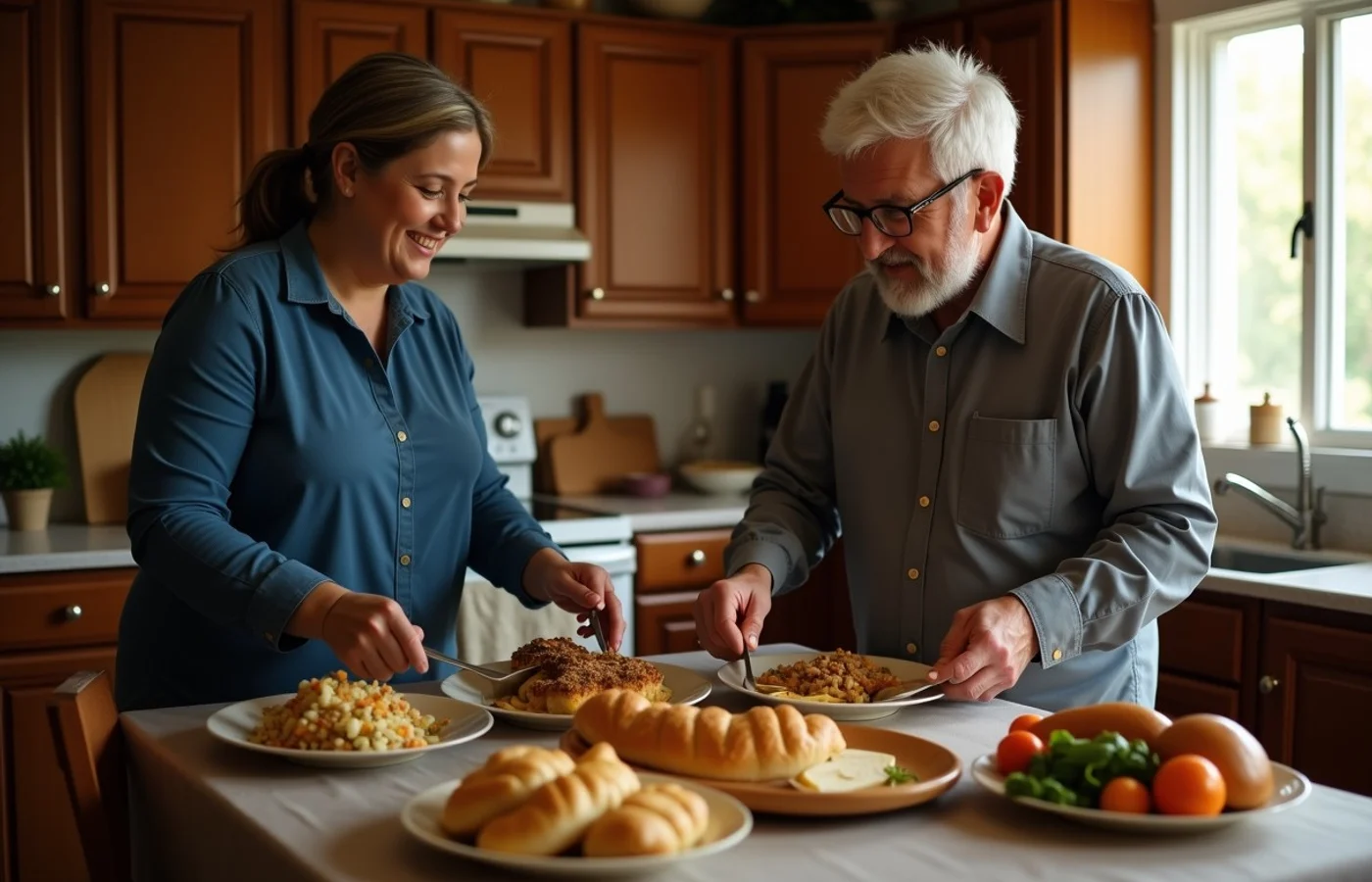
Jewish dating covers more ground than the phrase suggests. In Tulsa, someone may be Orthodox, Conservative, Reform, secular, culturally Jewish, newly reconnecting, from an interfaith family, converted, or uninterested in denomination altogether. They may be looking for marriage, companionship, a serious relationship without a preset timetable, or time to see whether a connection has depth. None of those positions settles how they mark Shabbat, whether they observe dietary practices, how public they are about identity, or whom they consider family.
That range calls for curiosity and restraint. Early questions can explore how Jewish identity appears during a typical week, which holidays matter most, and how much community life matters to a partner. Family background is best approached as lived experience: a close family, a distant one, a mixed-faith household, or a home where religion was barely discussed can all shape dating differently. A profile field, surname, or single holiday reference does not test authenticity. People get to name their own connection, especially in a local scene where assumptions travel quickly.
Local Connection Can Still Require Deliberate Filtering
Local does not automatically mean close to the part of Tulsa where two people spend their week. A match on opposite sides of the city can turn a casual midweek coffee into a drive that needs planning, and searching beyond Tulsa changes scheduling again. Set a distance range around weekday trips you would genuinely make, not a radius picked in a burst of optimism. A narrower search may bring familiar faces; a wider one can bring better alignment along with more travel and slower scheduling.
Community overlap adds another layer. Two people may share acquaintances, holiday gatherings, volunteer spaces, or family connections without knowing each other well. That can feel reassuring, though an early mismatch can also become more widely known than it would in a larger anonymous pool. You need not disclose every communal tie in a first exchange. It is enough to be candid about what feels personal, which social settings feel comfortable, and whether dating within overlapping circles feels welcome or complicated.
A Conversation About Practice, Culture, and Family
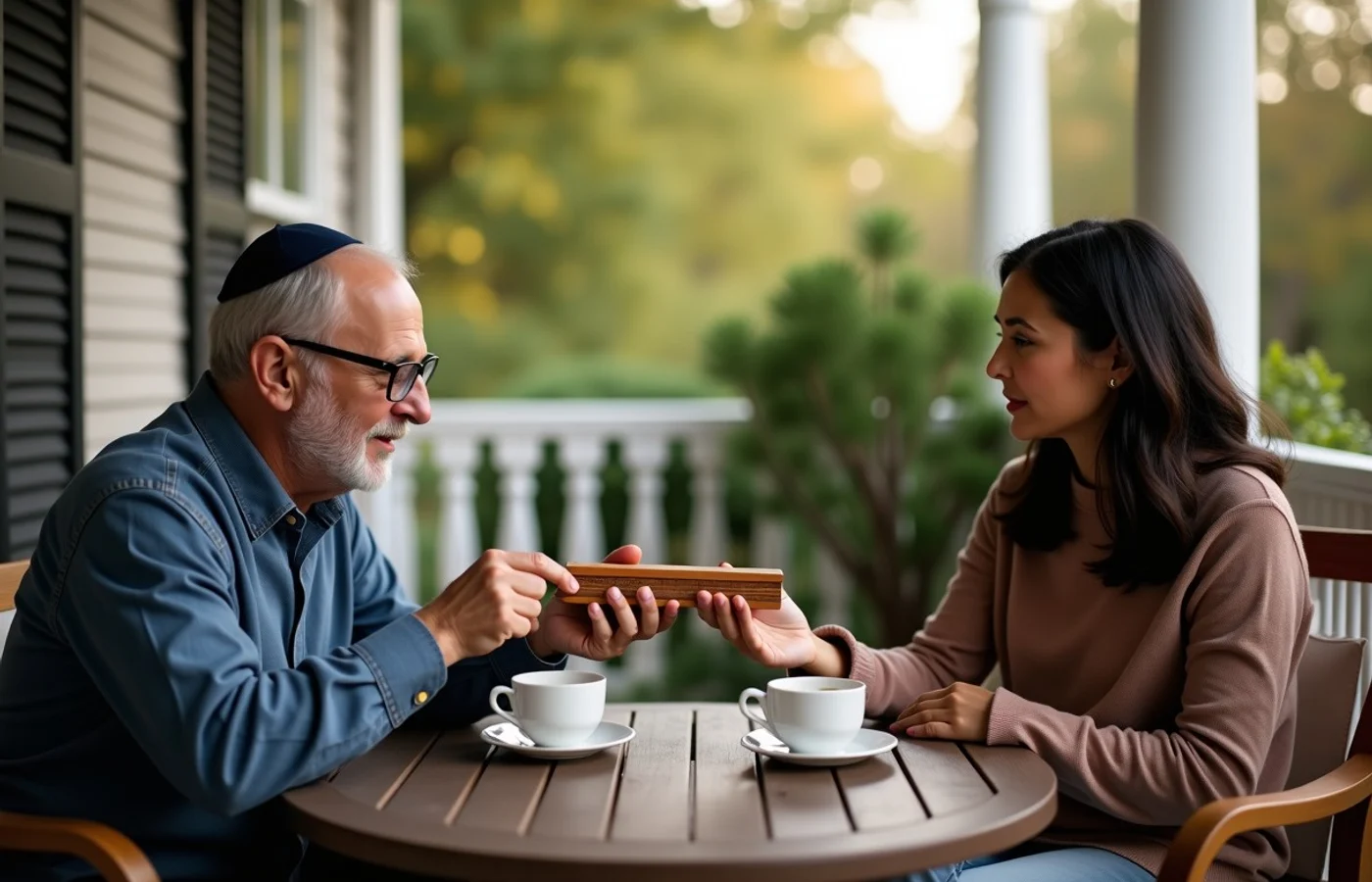
Labels start a conversation; they do not finish one. One person may observe holidays closely while another connects through food, humor, family stories, social justice, or a sense of peoplehood. Ask what holidays are like in their home, what Jewish community means to them now, and what role they would want it to have in a relationship. Those questions invite an account of a life, not a declaration of credentials.
Family expectations deserve the same plain language. Some daters expect regular family involvement; others value independence or carry difficult family history. Interfaith relationships can also be discussed through future decisions: religious practice at home, holiday traditions, children, family gatherings, and the support each person would need. These subjects do not all belong in the first conversation. Once interest is clear on both sides, avoiding them usually creates more confusion than bringing them up.
What a Profile Can and Cannot Tell You
A profile can show that Jewish identity matters without explaining its place in someone’s life. A religious preference field may indicate a broad affinity. A mention of Shabbat dinner, holiday cooking, synagogue life, or family traditions adds context but still leaves many questions open. Photos, a surname, and an image from a holiday gathering reveal even less. Reading too much into thin hints quickly turns a conversation into a set of guesses.
Profiles work best when they name a few concrete parts of daily life and leave room for discovery. Someone can say that Jewish observance shapes their week, that holiday meals with family matter, or that they welcome cultural connection without requiring identical practice. Relationship direction belongs there too: interest in marriage, a long-term partner, companionship, or an open-ended introduction. Conversation can then cover the details no profile can carry, including how each person handles family involvement, interfaith possibilities, privacy, and the ordinary logistics of seeing someone around Tulsa.
Dating within a local Jewish community can be warm, familiar, and occasionally complicated. The strongest early signal is not a perfectly matched label; it is a candid account of what identity, time, family, and partnership look like in each person’s life. In Tulsa, that clarity matters before shared circles turn a casual match into a wider social overlap.