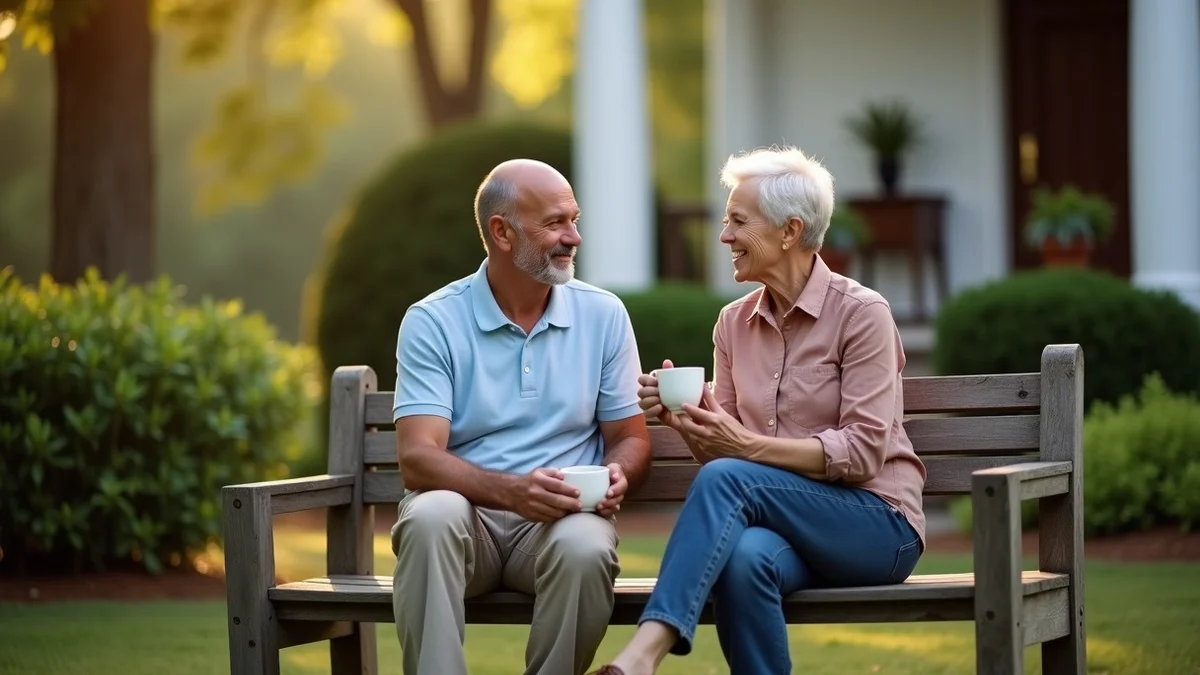
Christian dating in Winston-Salem works best when faith serves as a lived part of compatibility, not a credential. Shared belief can shape a relationship’s pace, personal limits, and hopes for marriage, while each person still learns how the other thinks, relates, and lives day to day. A meaningful match requires more than the same profile label.
Published by Kindred Signal
Shared faith can shape attraction and expectations.

Faith can answer some questions early: whether someone dates with marriage in mind, how they approach physical intimacy, the place of prayer or worship in a typical week, and the time they give to church or service. These are substantial matters, not fussy details. Two Christians may still differ on dating slowly, becoming exclusive, meeting family, or making major decisions together. Naming expectations early prevents an assumed norm from becoming an unspoken promise.
In Winston-Salem, Christian community can connect closely to family history, volunteer commitments, and familiar social circles. Home Moravian Church visibly reflects the city’s Moravian heritage, though no church community should function as a dating pool or imply romantic interest through attendance. Consider what community involvement looks like in daily life. Does someone want a partner to attend services? Do holidays, family traditions, or church friendships shape their future household? Shared faith can provide real common ground, while a relationship still needs separate friendships, interests, work obligations, and conscience.
What should a first values conversation include?
A first conversation about values need not become a denominational examination. Ask how faith appears in daily life, what church community feels sustaining, and whether a worship style or tradition matters in a future partnership. It is also fair to discuss marriage, family involvement, sexual limits, and the place of prayer or service in a shared life.
Specifics matter more than polished answers. Someone might attend regularly while keeping faith largely private; another might organize much of the week around a congregation. Neither approach is automatically superior. A demanding job, travel, or military service can limit predictable participation without revealing much about a person’s convictions. Ask whether stated values and actual choices fit together.
When two Christians practice faith differently
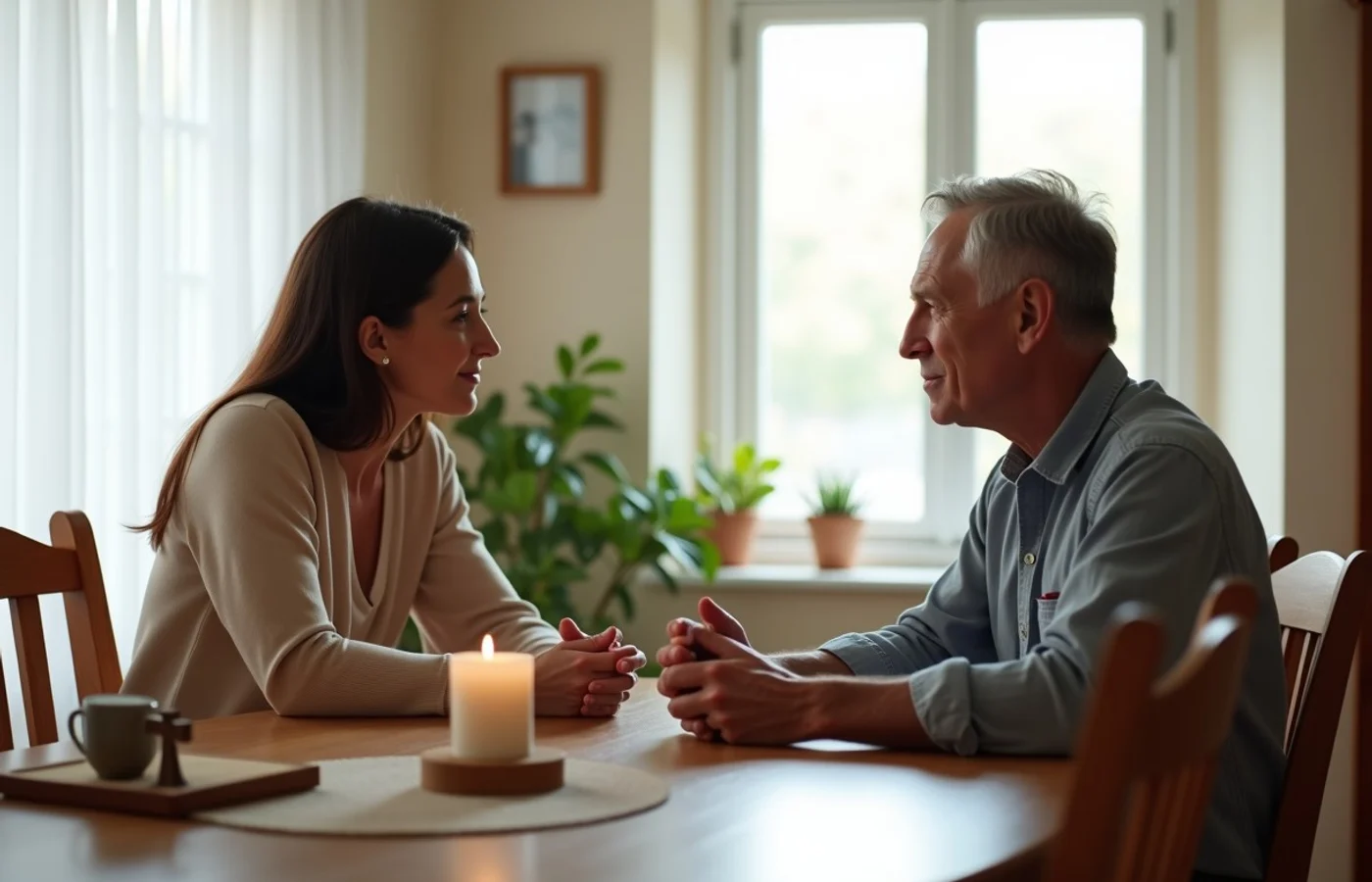
Different traditions call for a calm, concrete conversation. One person may feel rooted in liturgy and a long-standing congregation, while another prefers informal worship or moves between communities. The issue is not which approach sounds more committed. Ask whether either person would feel isolated, coerced, or unable to practice with integrity in a shared life. Differences over baptism, communion, gender expectations, giving, children’s religious upbringing, or authority granted to family and church leaders can shape later decisions. Discuss them before the relationship gathers too much momentum.
Compatibility often depends on how differences are handled. Respect means explaining a conviction without demanding immediate agreement, asking what a practice means to the other person, and accepting that some issues may create a firm limit. It does not mean using Scripture, community approval, or hopes of marriage to win an argument. In Winston-Salem, where friends and relatives may overlap with church life, discuss how much outside involvement each person welcomes and where the couple makes private decisions. A workable relationship need not have identical routines, but neither person should surrender conscience to preserve peace.
Faith-centered compatibility signals
A profile that says only Christian offers a starting point, not proof of compatibility. More revealing profiles describe faith in everyday terms: commitment to service, a valued worship routine, hope for marriage, or interest in building a household shaped by particular values. Include personality as well. Books, gardening, trail walks, art, cooking, or a favorite local outing give someone more to know than a religious category.
In conversation, value humility and consistency. A promising sign is someone who explains convictions without presenting themselves as spiritually complete or morally above other daters. Notice their response when you disagree, set a limit, or raise an uncomfortable topic. Respect for conscience, follow-through, and the ability to repair a misunderstanding matter more than a string of faith labels. Religious language should never bypass accountability.
Meet the person behind the faith label
Faith reveals something important about a person’s framework, but not how they spend Saturday, respond to disappointment, manage conflict, or make space in life for someone else. Ask about worthwhile work, maintained friendships, family relationships, creative interests, and what happens when plans fall apart. Notice whether they show curiosity about your answers, can laugh without dismissiveness, and follow through on small commitments.
An activity-based meeting can reveal more than a long exchange about labels. A visit to Reynolda House Museum of American Art or a walk through Old Salem Museums & Gardens gives two people in Winston-Salem a shared subject beyond church affiliation and relationship timelines. It can show how each person handles quiet conversation, differing interests, and practical planning. Faith should never be used to rush disclosure, exclusivity, physical intimacy, or marriage. A person can be serious about Christian partnership while allowing trust, affection, and knowledge of the whole person to develop at an honest pace.
In Winston-Salem, shared Christianity can provide meaningful common ground, but it cannot replace curiosity about character and daily life. Keep faith conversations honest, notice how convictions are practiced, and leave enough space for both people to be fully known.
References
- Reynolda House Museum of American Art — Reynolda House Museum of American Art
- Old Salem Museums & Gardens — Old Salem Museums & Gardens
- City of Winston-Salem — City of Winston-Salem
- Home Moravian Church — Home Moravian Church
- Sawtooth School for Visual Art — Sawtooth School for Visual Art