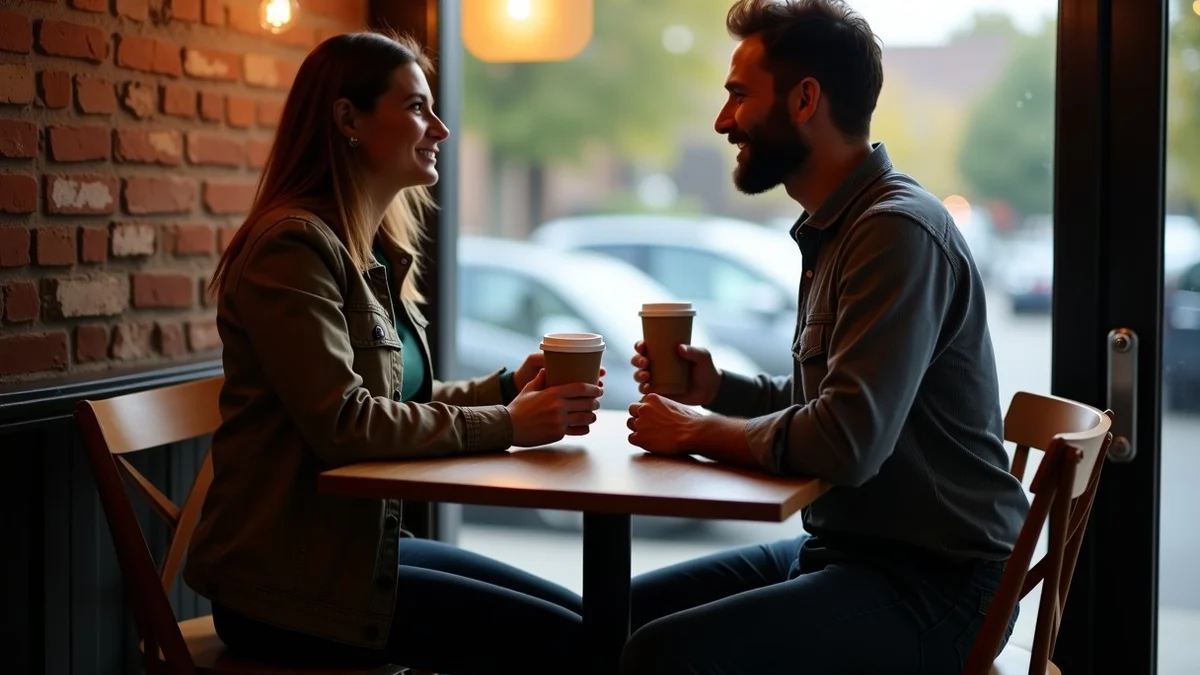
Farm work changes online-dating safety: one address can identify a home, workplace, and place away from public view. Farmers in St. Louis should match the audience and search area to their lives, while handling distance settings and personal details with care. FarmersOnly presents itself to country and rural singles; Hinge, Bumble, and Match offer wider Greater St. Louis searches when a niche pool is thin. No platform makes someone trustworthy. State when you can date, discuss travel expectations, meet in public, and postpone any farm visit.
Published by Kindred Signal
Rural dating near St. Louis has a wider geography
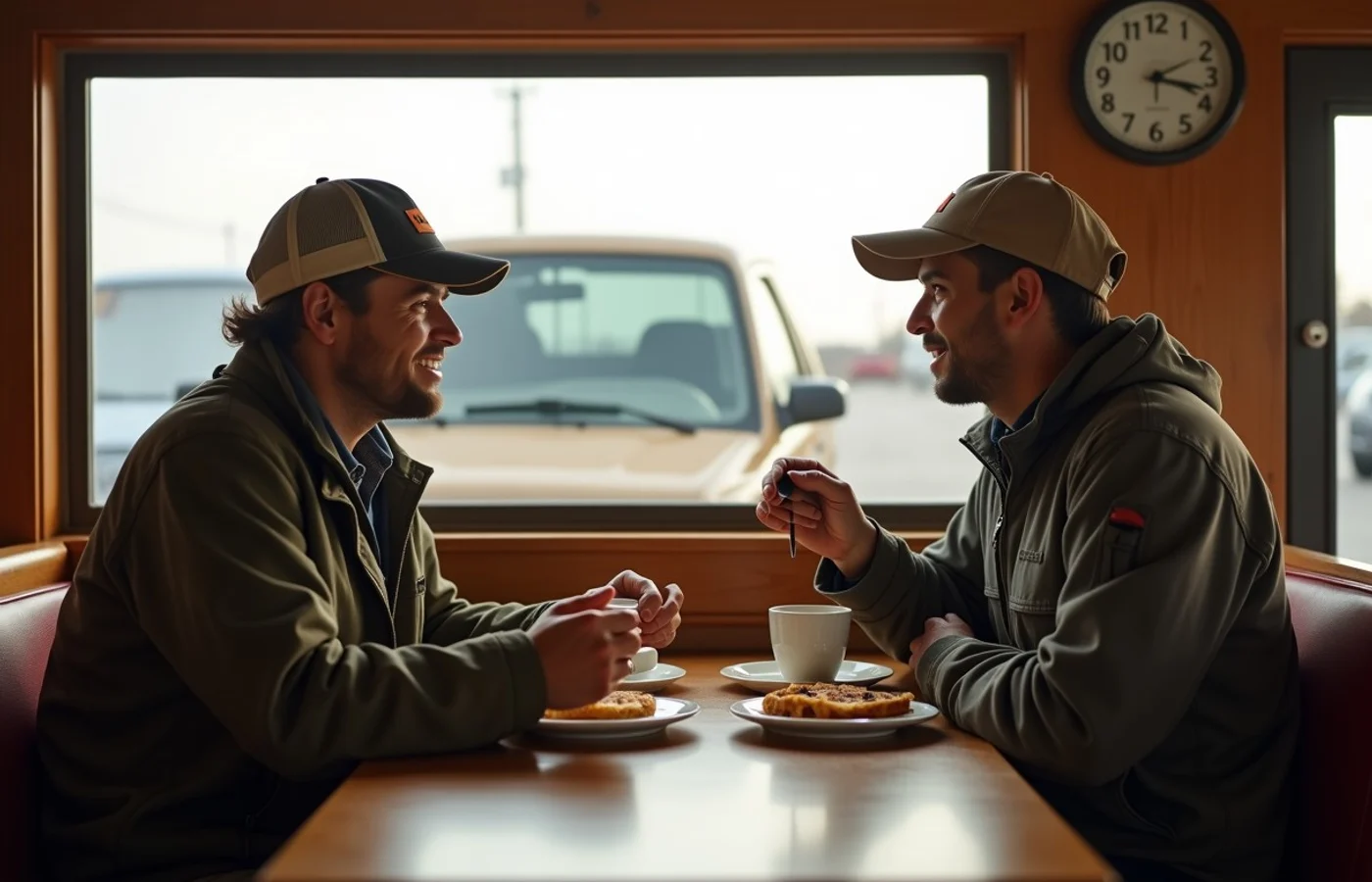
St. Louis is a regional dating area, not a city pin. A radius limited to St. Louis city leaves out people whose lives run through St. Louis County, St. Charles County, Jefferson County, and the Metro East in Illinois. That larger pool brings a real constraint: a match across a bridge or at the far edge of the metro area may look nearby on a map but still require a long, traffic-sensitive trip after a workday. A late-summer evening, an early livestock check, or a weather-driven work change can turn a casual plan into an unrealistic one.
Set a maximum one-way drive before swiping, with one radius for weeknight dates and a wider one for a planned weekend meeting. FarmersOnly deserves consideration when country or agricultural life is central to compatibility. Hinge, Bumble, or Match can support a wider regional search if your profile makes the travel situation clear. An app introduces people; it does not shorten the trip between a farm outside the city and someone whose life stays near downtown.
Which profile details show real schedule transparency?
A truck photo, sunset field, or country label says little about daily life. Strong profiles describe broad work hours: early mornings, seasons that limit time for dates, and times when plans are most dependable. Mention downtime you protect, such as a regular evening off or a weekend window that shifts during busy periods. A match then has something concrete to consider without learning the farm name, exact location, acreage, or employer. This also avoids a common mismatch: someone drawn to rural images but unprepared for work that interrupts dinner, holidays, and last-minute plans.
When a match asks to visit the farm
An invitation to a farm carries more weight than one to a public restaurant. It gives a new person access to your worksite, home area, routines, equipment, animals, and often an isolated location. Curiosity or flattery does not erase that risk. Someone interested in you does not need your exact address or a tour to show it.
Meet publicly first and arrange your own transportation. Tell someone you trust about the plan, and do not share a gate location, property entrance, or farm address before a history of considerate public dates has built trust. Someone who keeps asking for access after a clear no has shown they will not accept a basic limit. Never send money or gifts to a person you have met only online, even if their story involves rural work, an emergency, or travel.
City convenience and rural rhythm may pull in different directions

A city-based match often means more nearby meeting spots and less driving, though spontaneous plans may clash with farm duties. A suburban match can split the difference, but commutes and family schedules still determine what fits.
Rural matches often know that weather, animals, and seasonal work affect date plans, but shared geography does not guarantee shared expectations. If a date involves helping with chores, discuss plainly whether it is an invitation, work, or simply too soon. Farm access does not replace getting to know someone.
Ask about the life behind the label
Ask what shapes the person’s schedule and which times of year are busiest. Early mornings, weekend work, on-call duties, and protected downtime reveal more than a vague claim of being busy. For a farmer, ask whether animals need daily care, whether a partner would ever be expected to help, and what happens if urgent work interrupts a date. Those answers matter more than a shared interest in boots, trucks, or open space.
Be equally direct about location. Ask where they spend most of the week, how far they will travel for dates, and whether they picture living in the city, a suburb, or farther out in the next few years. In Greater St. Louis, someone in the Metro East and someone working in Jefferson County may both say they are local while facing very different drives. Raising that early is sensible, not pessimistic.
Ask next what kind of relationship and pace they want. Do they want a partner who understands work-centered life, a companion for occasional dates, or a relationship that might eventually join routines and responsibilities? Their answer should account for your limits too. Someone who sees farm labor as a novelty, expects access to your land, or dismisses your schedule describes a mismatch, not a problem to solve.
Keep identifying details staged
A dating profile can reveal a farm’s location without printing an address. Barn signs, road markers, distinctive equipment, recognizable field views, local business names, and location data embedded in photos all narrow the search. Review images before posting and remove location metadata where possible. Use the app’s location-display controls when offered, and move off-platform only after you are comfortable doing so. A separate email address or phone number limits what a new match learns from a contact detail. Hold back the farm name, exact town, work route, and property access information until trust has been earned in person.
Dating near St. Louis works better when travel, work demands, and access to a farm are treated as real relationship facts. A compatible match respects those facts before asking for more of your time or identifying information.
Useful official links
- Hinge — Hinge
- Bumble — Bumble
- Match — Match
- What To Know About Romance Scams — Federal Trade Commission
- FarmersOnly — FarmersOnly