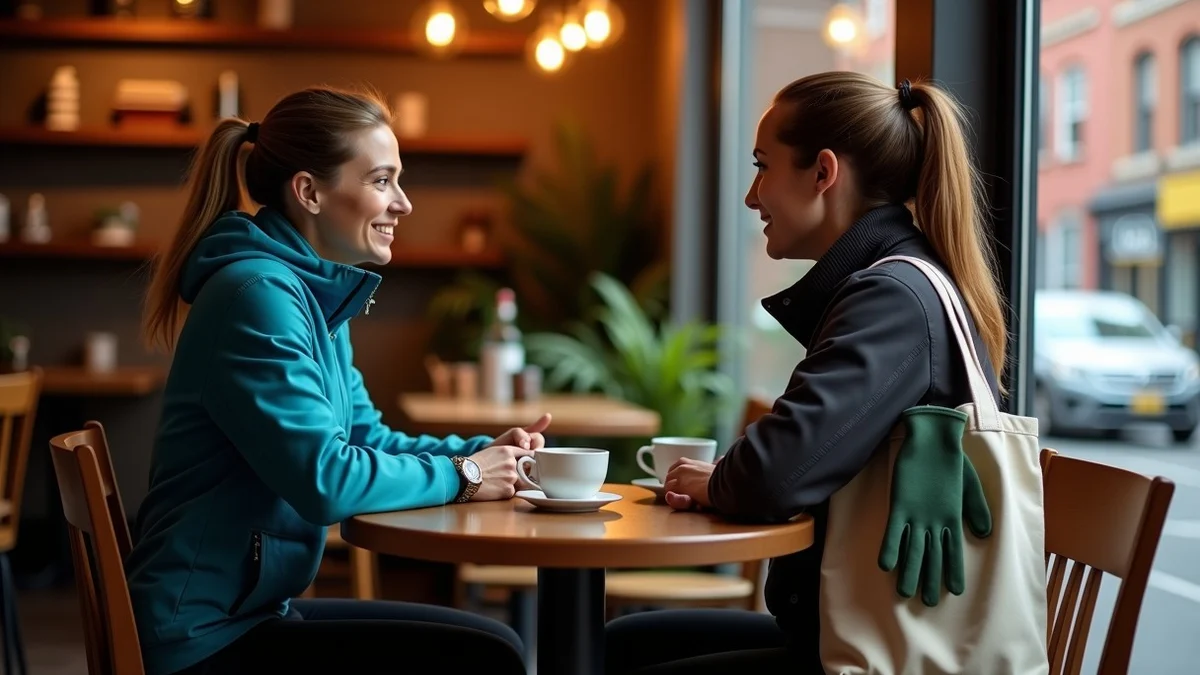
Baltimore’s dating geography rarely fits a single neighborhood or a tidy app radius. Lesbian singles in Baltimore get better results by using identity-aware filters as a starting point, then showing enough of their actual lives and intentions for another person to recognize a fit. A shared label narrows the introduction; it does not settle chemistry, pace, values, or the kind of relationship two people are prepared to build.
Published by Kindred Signal
A local match still needs room for individuality

Lesbian-focused discovery is useful because it removes an early, exhausting ambiguity: you are less likely to spend time explaining why you are there or sorting through people who are not seeking women. That relevance matters in a local pool, where each profile feels more consequential. Still, lesbian is not a complete compatibility profile. One person is seeking a long-term partner and quiet weeknights; another is newly dating after a divorce, wants companionship, or prefers a nonmonogamous relationship. Neither position is a problem. Confusion begins when a filter is treated as an answer to questions no filter asks.
Use local search to find people who share enough context to begin, then focus on the details that shape day-to-day dating: how far each person travels, how public they are, what kind of time they have, and what connection they seek. A Baltimore profile with a broad radius may include someone across the metro area whose schedule and priorities fit better than a person a few blocks away. Filters establish relevance. They are poor stand-ins for a full person.
When a Baltimore connection is also a community connection
Dating in Baltimore can bring city neighborhoods, nearby county communities, work, volunteering, and recurring events into the same orbit. A recognizable profile may reach a mutual acquaintance before a first date does. Decide how visible you want to be before browsing: public discovery suits someone comfortable being seen, while a limited-visibility option, where available, gives more control to someone not out everywhere or protective of their social space. Widening a radius beyond Baltimore City also changes the chance of mutual connections and the travel burden. State boundaries calmly if a shared circle appears.
Profile details that invite genuine recognition
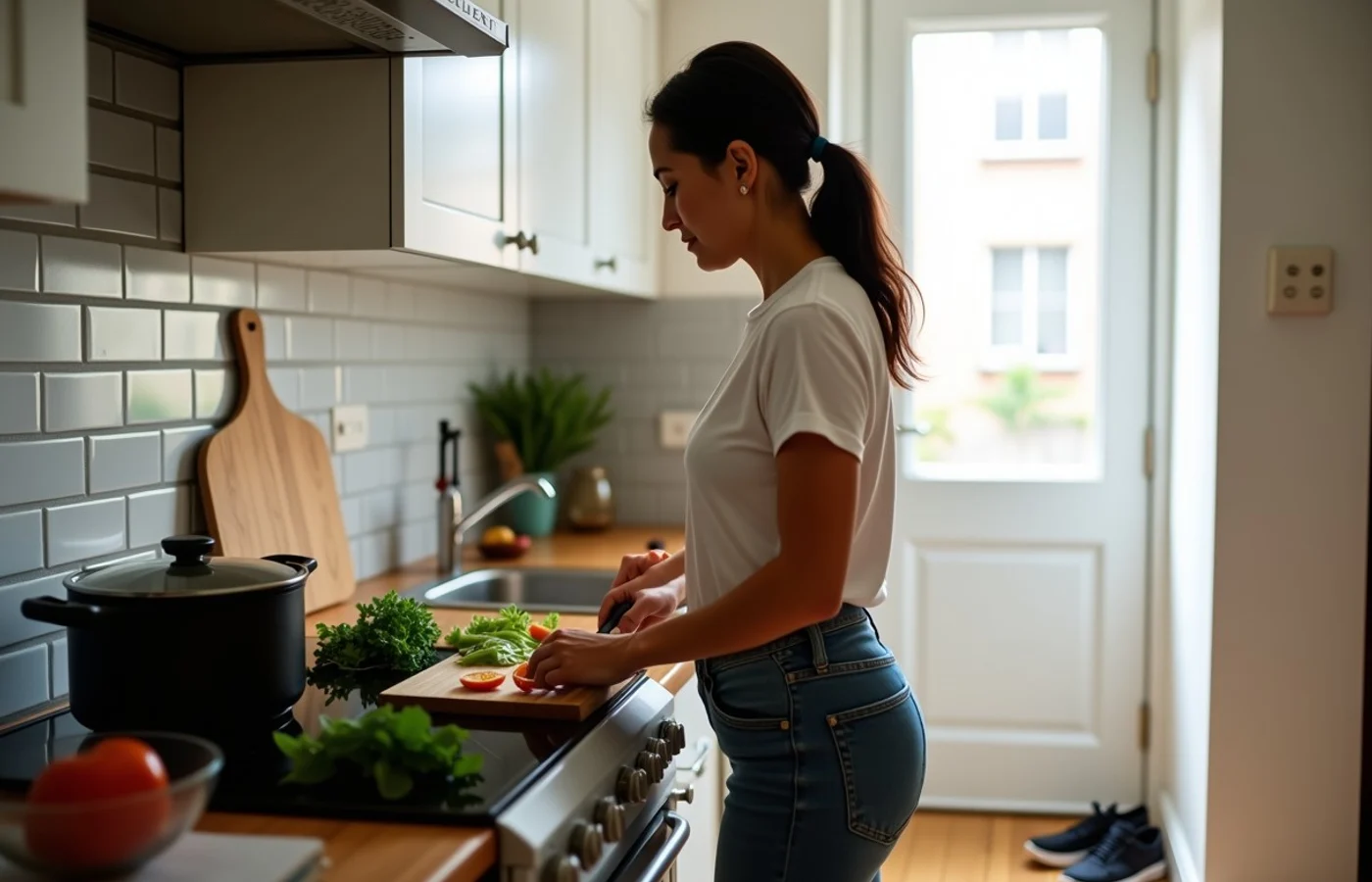
A profile earns attention when it supplies a few usable details, not a personality résumé. Name an interest that has shape: early-morning runs, cooking for friends, tending a balcony garden, independent films, union organizing, or museum afternoons. Add the version that explains how you date. Someone who likes food may be seeking elaborate restaurant nights; someone else means a Sunday market and cooking at home. Those distinctions give a match a real point of recognition and reduce the generic conversation that burns through a local pool.
State relationship intent with equal plainness. Long-term partnership, dating with curiosity, friendship that may grow, and nonmonogamy set different expectations; none belongs beneath vague language. Identity terms deserve the same care. Use lesbian, queer, bisexual, femme, butch, or no label beyond what feels accurate and safe to share. Mention communication preferences only when they matter in practice, such as preferring a few thoughtful messages before meeting or valuing direct plans over endless app chat.
In Baltimore, a short note about your workable date radius saves a familiar mismatch between interest and logistics. You do not need to disclose coming-out history, past relationships, a home address, an employer, or other details that identify you before trust exists.
A narrow filter or a wider queer community?
Lesbian-focused spaces concentrate audience relevance and reduce the amount of sorting required. Their smaller local pool also means fewer fresh profiles and a higher chance of seeing former dates, colleagues, or acquaintances. Broader LGBTQ+ spaces widen discovery and welcome people whose identities or orientations do not fit a narrow category, but they demand clearer profile language and more careful reading. Choose the setting that respects how visible you are willing to be, not the one that promises a perfect label match. Before moving a connection off-platform, use reporting and blocking tools when needed and arrange an initial meeting in a public setting.
Approach with curiosity, not assumptions
Start with an element a person chose to share: the book in a photo, a line about fostering pets, a mention of Baltimore biking, or a stated interest in a serious relationship. Ask a focused question about that detail, or offer a brief, relevant reaction. This shows that you read the profile without treating a hobby as proof of compatibility.
Leave identity, dating history, and relationship structure open for the person to describe on their own terms. A profile marked lesbian does not authorize guesses about someone’s coming-out timeline, past partners, gender presentation, sexual history, or openness to couples. A profile using queer or bisexual language deserves the same restraint. When someone states an intention, respond to what is actually there. Directness is more appealing than performing insider knowledge.
Baltimore offers proximity, shared circles, and a wider regional reach at once. Present a recognizable self, choose visibility deliberately, and let a specific conversation show whether the connection deserves a date.