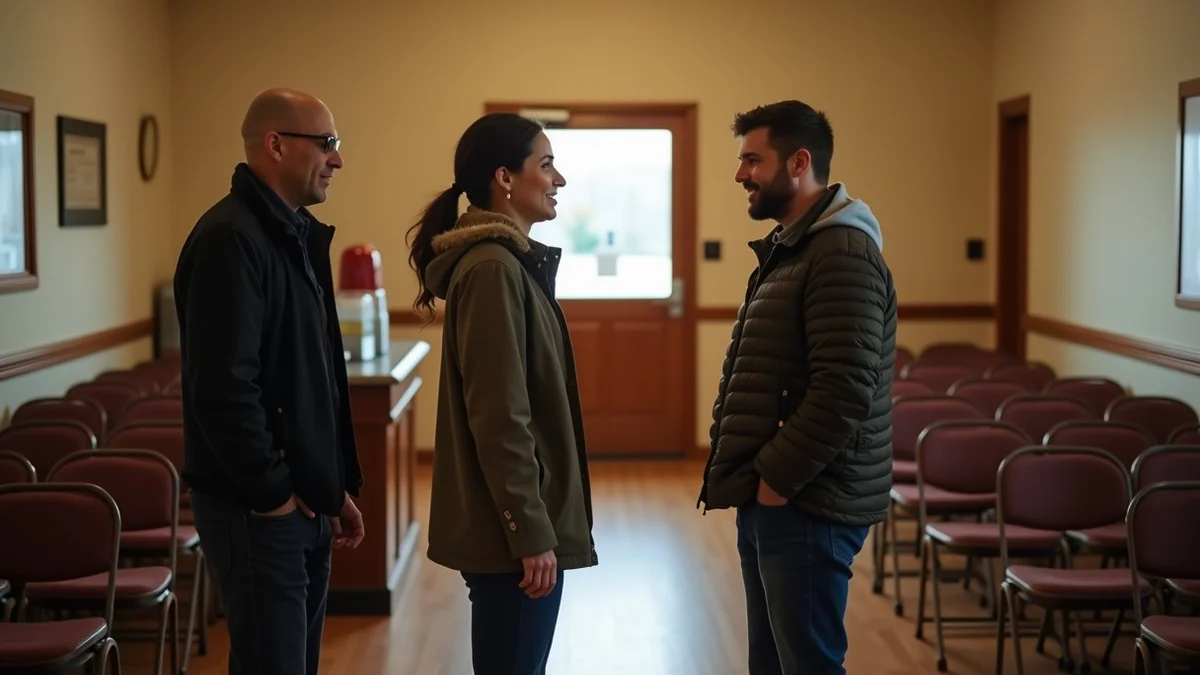
Spokane’s faith landscape reaches beyond a single congregation or neighborhood. To meet Christian singles in Spokane without confusing a faith label for compatibility, begin with local faith communities and dating profiles, then discuss practice and relationship expectations early. A person’s church involvement, denomination, schedule, and willingness to date across Spokane Valley or Liberty Lake all shape what a workable connection looks like.
Published by Kindred Signal
When faith matters but location matters too
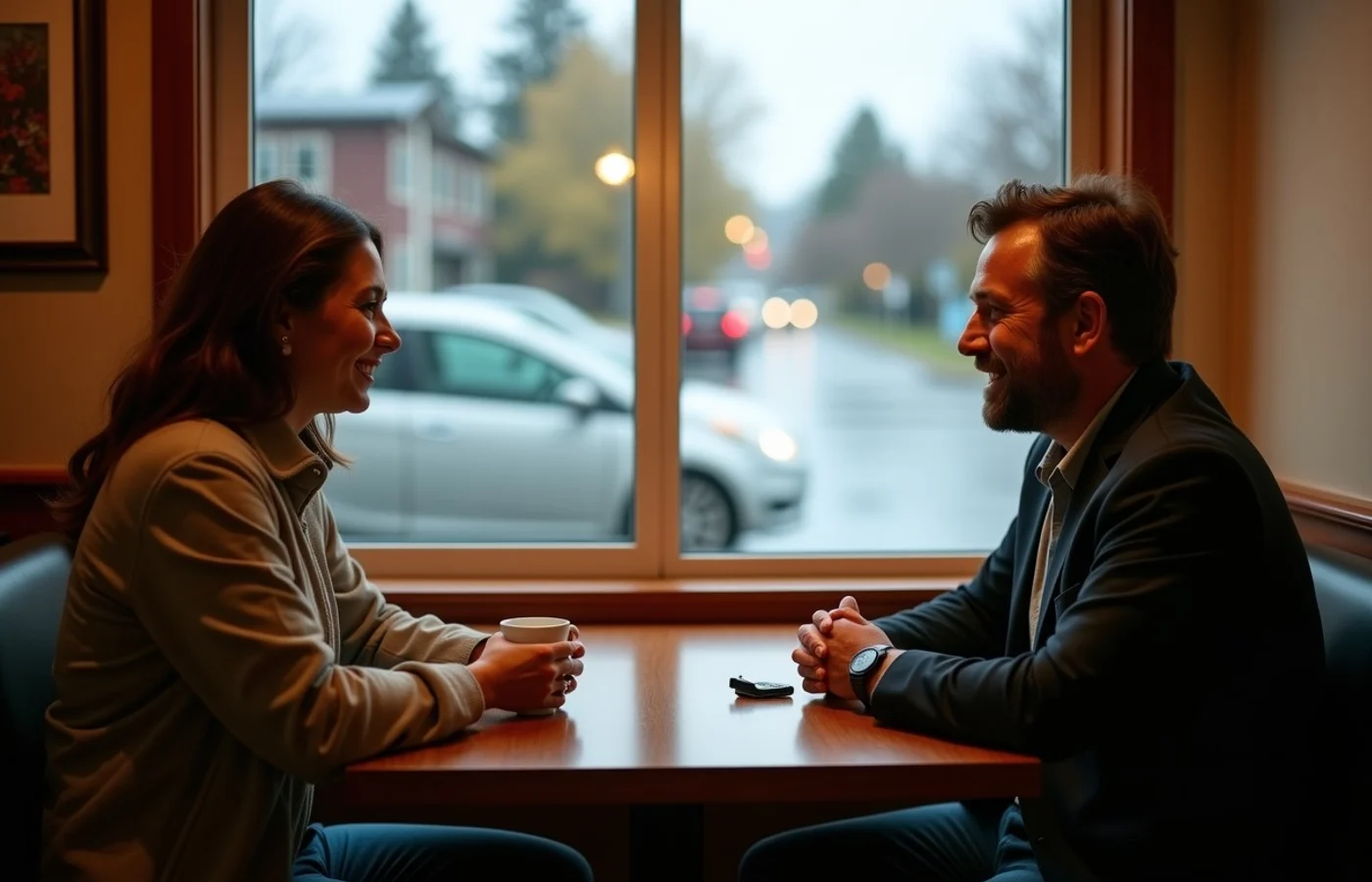
Location sets the rhythm after an introduction. A match across Spokane Valley or Liberty Lake remains part of the broader Spokane-area search, yet the drive still affects weeknight plans, worship routines, and how often two people see each other without turning every date into a logistical project. Set a distance range that fits your ordinary week, not an idealized free Saturday.
Social circles matter just as much. Some people meet through a congregation they have attended for years; others arrive through a service project, friends, or an app because their church is small, family-centered, or simply not a place where they want to date. Christian singles in Spokane hold different convictions, traditions, and hopes for partnership. Start broad enough to meet people outside your immediate circle, while being plain about the place faith holds in your life.
Christian dating communities around Spokane
Church-based settings offer repeated contact through adult groups, Bible studies, music ministries, service teams, and shared meals. These settings are not dating marketplaces, and they work best when you participate because the gathering itself matters to you. For Catholics, parishes connected with the Diocese of Spokane provide a local network for worship and ministry. Whitworth University also reflects the area’s Christian presence, though a university campus is not a dating venue or a place to approach students as prospects.
Community organizations and volunteer work create another route, particularly for people whose faith is closely tied to service. Join a project whose mission you would support even if nobody caught your eye. Returning for the work, rather than making one appearance to scan the room, lets people see your character over time. Check with organizers about participation expectations instead of assuming every church-affiliated activity is open to newcomers.
A mainstream dating app takes a more deliberate route. State that you are Christian, then add what that means in daily life and what kind of relationship you are seeking. Use Spokane, Spokane Valley, and Liberty Lake as a realistic local area, and read a match’s stated location rather than assuming nearby means nearby. After enough conversation to establish basic fit, a daytime meeting in a public central setting such as Riverfront Park gives both people space to decide whether the online connection carries into ordinary conversation.
Shared belief is not the same as shared practice

Christian can describe an upbringing, a personal belief, a regular worship life, or a broad cultural identity. Regular practice usually points to habits such as attending services, prayer, study, service, or participation in a congregation. A faith-centered relationship goes further: it signals that belief will shape decisions about commitment, family life, time, and moral boundaries. These descriptions overlap, but they are not interchangeable.
Differences tend to emerge around the details: baptism or sacraments, church attendance, leadership roles, prayer, giving, and what marriage should look like. An interdenominational relationship does not require identical beliefs. It does require both people to know which differences are comfortable and which would become painful later, especially around choosing a church, involving family, or raising children. Screen for how a person lives their convictions, not merely the label they select.
What should you ask before investing in a match?
Before you invest in a match, ask how faith shows up during a normal week; which denominational practices feel essential; what each person means by marriage-minded dating; and how worship, money, family ties, service, and rest would shape shared life. Ask how they handle disagreement when convictions differ. These are not an interrogation on day one. They are early markers of the life each person is actually offering.
Keep the first steps modest: show up where the work or worship interests you, give location its due, and let direct conversations reveal the deeper fit. Faith deserves more than a profile badge; it belongs in the everyday decisions that make a relationship durable.
Sources for this guide
- Whitworth University — official information — Whitworth University
- City of Spokane Valley — official information — City of Spokane Valley
- Diocese of Spokane — official information — Diocese of Spokane
- City of Liberty Lake — official information — City of Liberty Lake
- City of Spokane — official information — City of Spokane
- City of Spokane — official information — City of Spokane