
Seattle dating needn’t be a contest in constant messaging or crowded rooms. Introverted singles often build stronger local connections through a selective profile, a sustainable conversation pace, and first meetings that fit Seattle’s geography. Start with plans you would genuinely enjoy repeating.
Published by Kindred Signal
Local connection can be deliberate rather than high-volume

Quieter dating works best when attention stays focused on a few local possibilities. Pick a small number of profiles whose routines, relationship intentions, and Seattle geography already fit your life, then give those conversations time to develop. A weekly browsing window keeps an app from consuming every spare moment; a few thoughtful exchanges reveal more than a crowded inbox. Local discovery also needn’t depend on packed mixers. A recurring interest setting—a class, volunteer shift, book group, or familiar neighborhood café—creates recognition without demanding a fresh introduction each week. When an online conversation stays engaged, suggest a short first meeting with a clear endpoint. Expectations about pace, when people can reply, and preferred date settings help screen out people seeking constant access.
What makes a Seattle profile inviting without oversharing?
An inviting Seattle profile gives a usable picture of a week: cooking after work, browsing a bookshop on Saturday, taking a neighborhood walk when the weather cooperates, or spending an afternoon with a museum exhibit. Pair one or two interests with the setting that suits you. That gives a potential match a clear basis for an invitation without turning your profile into a diary.
Name a broad area where you spend time, such as Capitol Hill, Ballard, or the Central District, if it helps set expectations about distance. Keep your home address, employer, regular schedule, and daily route private. Shared tastes create connection; personal logistics belong later.
When the best match lives across the city
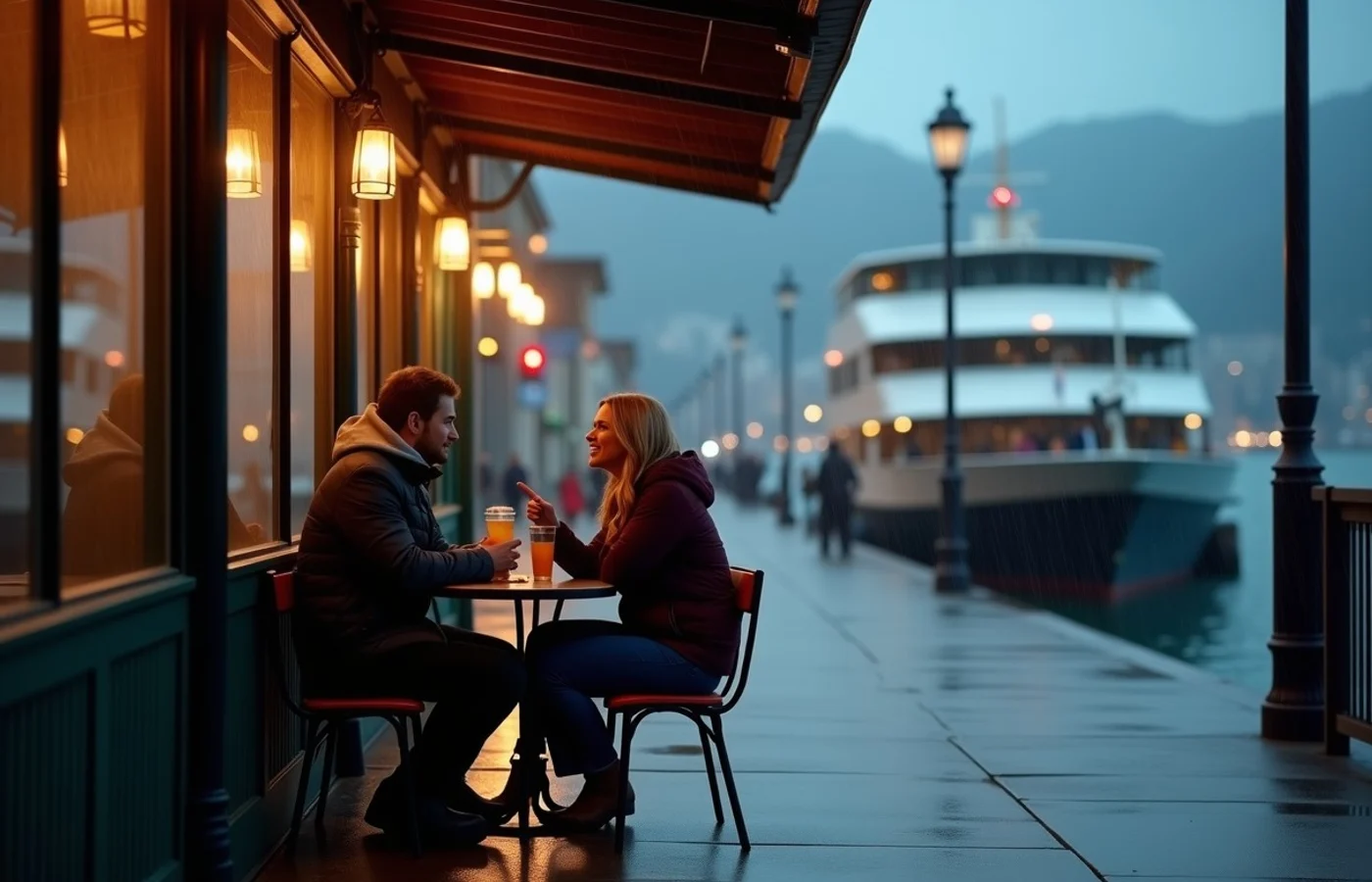
Seattle’s water, hills, bridge crossings, and transit transfers turn a short distance on a map into a real commitment. Someone in West Seattle and someone in the University District may share interests yet face a draining trip for a weeknight drink. Discuss starting neighborhoods early, along with driving, transit, and parking preferences. A midpoint with straightforward travel for both people protects the date from becoming an endurance test.
Rain and early winter darkness also deserve practical planning. An indoor option works well, or set a walk near a place where you can continue the conversation inside. Sustainable local dating rests on plans both people will agree to repeat.
Low-pressure formats create better evidence than grand gestures
- Format: A time-bounded coffee or tea meeting Why It Fits: An hour at a convenient midpoint usually gives the date enough shape. The short window lowers the social load and gives both people a clean ending. Extend the visit only when the conversation has real momentum.
- Format: A bookstore or library branch browse Why It Fits: Shelves, displays, and shared interests provide natural conversation material. Quiet pauses feel normal in this setting, which matters when neither person enjoys filling every silence.
- Format: A short neighborhood walk with an indoor fallback Why It Fits: A compact route near a café or similar indoor stop keeps the plan manageable. Seattle weather can change the tone of an outdoor plan quickly; a backup keeps the date from becoming an awkward weather problem.
- Format: A small museum visit followed by a brief sit-down Why It Fits: The exhibit supplies a shared focus before conversation moves to personal topics. Meeting for a limited follow-up drink or snack also lets each person decide how much social energy to spend.
Say what your energy can realistically support
Your schedule offers useful information, not an apology. State your usual response habits, name the kind of social plan you enjoy, and set an endpoint when a long evening would leave you depleted. A clear follow-up after a good date names your interest and proposes a day you can manage; a request for quiet time names when you expect to reconnect. That directness prevents a slower pace from being mistaken for indifference.
Seattle connections hold up better when the plan respects the actual shape of both lives: neighborhood, commute, weather, and social bandwidth. A profile that names a quieter pace, followed by a short first meeting, gives compatible people something clear to accept. It beats performing endless access.