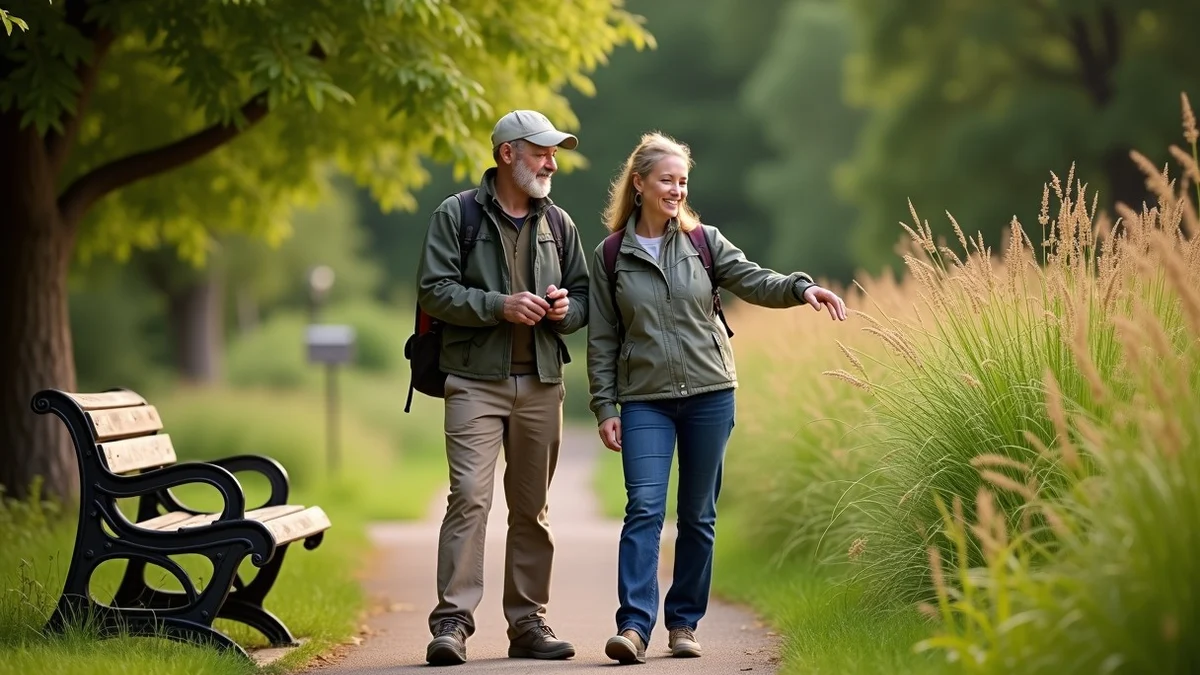
Shared time outdoors can reveal more than a shared hobby: it can show how two people use their time, care for public spaces, and imagine a life together. For nature lovers seeking meaningful connections, describe your actual relationship with the outdoors, then test for compatible values and expectations; a trail photo alone does not establish the same lifestyle. A quiet garden regular and a devoted backcountry camper may both belong here, but they may want very different weekends.
Published by Kindred Signal
A love of nature can mean many different lives
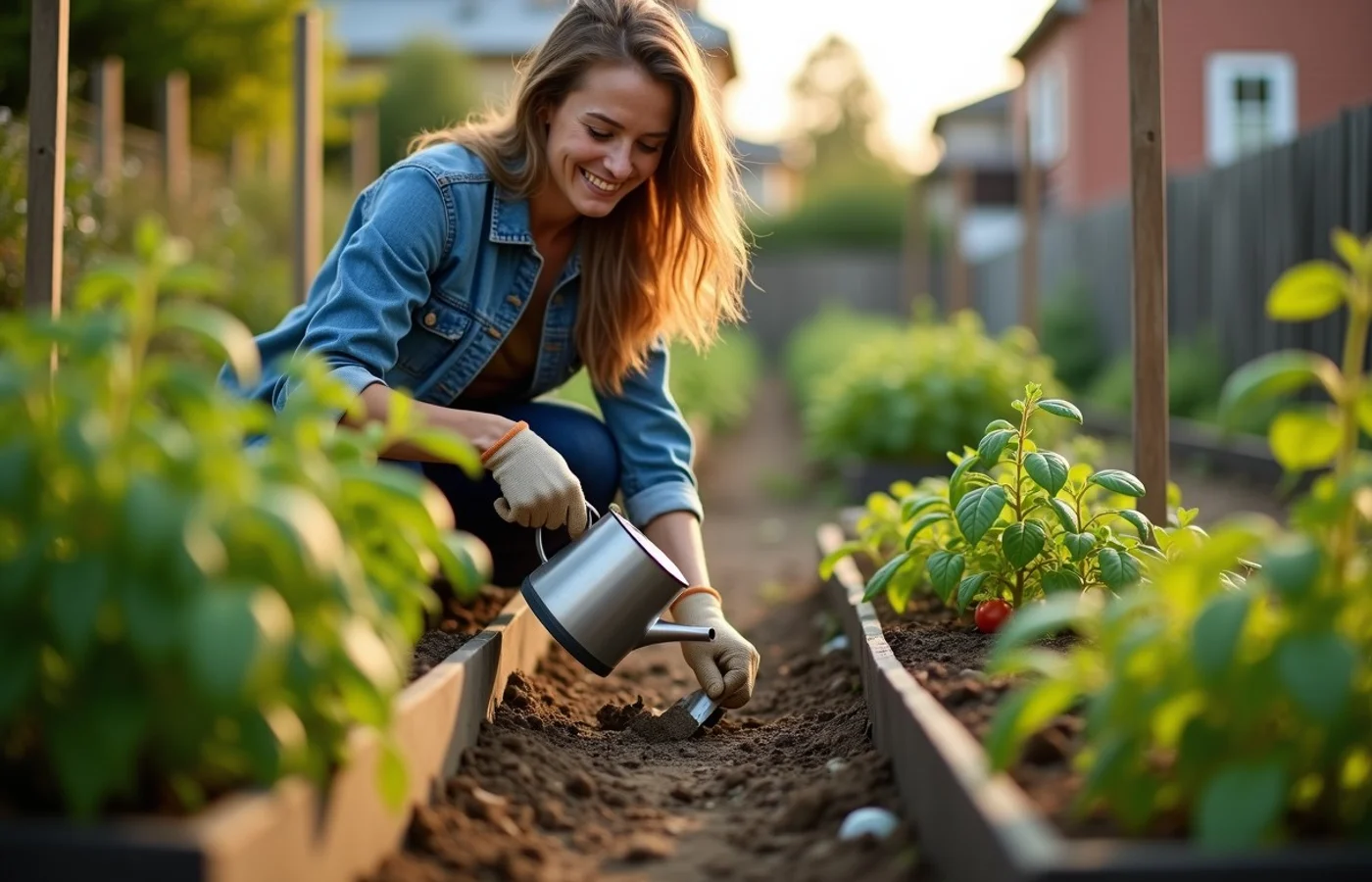
Nature interest ranges from a weekly walk through a neighborhood park to tending vegetables, volunteering at a cleanup, car camping, birdwatching, or training for demanding mountain routes. Some people want fresh air after a workday. Others organize their calendar around long trips, early starts, and changing weather. Plenty care deeply about land and wildlife without enjoying strenuous activity at all.
A profile should place you somewhere on that range. Mention the setting you return to, the schedule you keep, and the kind of company you enjoy. Someone who spends Sunday mornings at a community garden can say so; someone who likes an easy lakeside walk followed by lunch should say that without presenting as an all-weather adventurer. Specific details attract people who can join your real life, not merely admire an outdoorsy image.
Values become clearer through concrete examples
Outdoors is too broad to say much on its own. Routines and preferences tell more: visiting a local nature preserve before the heat arrives, keeping a balcony herb garden, taking public transit to a trailhead when it makes sense, or reserving one weekend a month for camping. Add the companionship you picture—slow walks with time to talk, a partner for volunteer days, or someone comfortable reading nearby at a campsite. These details show both interest and pace.
They also lead to better conversation openings. Ask what kind of outdoor time restores them, which setting they miss when life gets busy, or whether they prefer planned outings to spontaneous ones. The answers can separate a shared value from a shared photograph. Someone may love conservation work but dislike camping; another may enjoy long hikes while caring little about stewardship. Neither answer is wrong. It simply shows where a connection is likely to be genuine.
Can two outdoor people want different weekends?
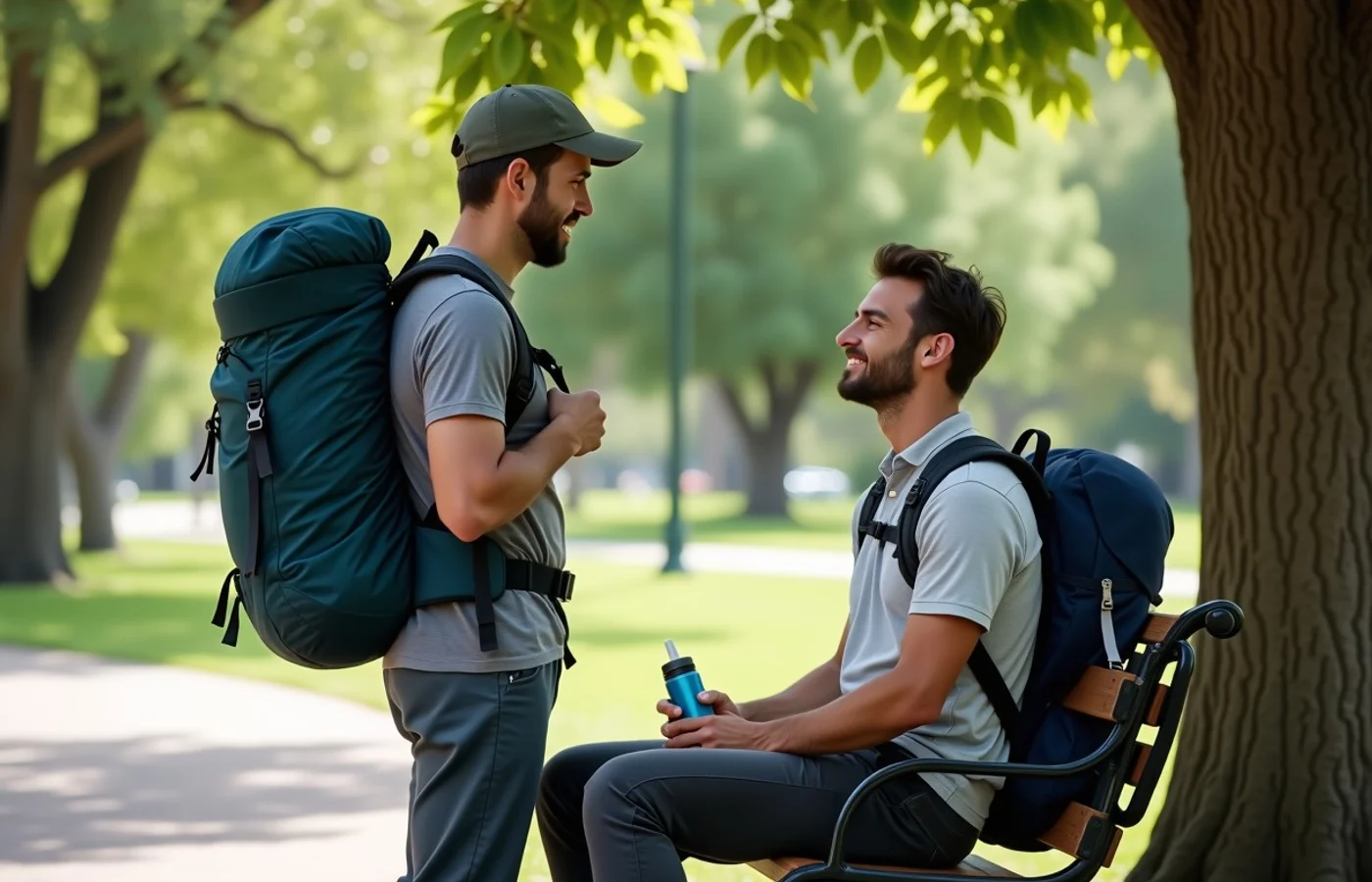
Yes, and brushing off that difference can create friction quickly. One person may see a free Saturday as a six-hour hike in uncertain weather; another may mean a paved two-mile loop, shade, a restroom nearby, and a firm return time. Fitness, mobility, budget for equipment, comfort around insects or water, risk tolerance, and access needs all affect what an outing feels like.
Discuss the details before making ambitious plans. Ask about preferred distance, weather limits, whether they enjoy remote places, how much planning feels fun, and how often outdoor activity competes with rest, family, or other commitments. A compatible match does not require equal endurance. It does require consideration for each person’s limits and no pressure to prove interest through discomfort.
Meaningful connection does not require an expedition
First dates work well in public, low-commitment settings where conversation can carry the meeting: a botanical or public garden, an easy walk on a well-used path, a farmers market, a nature center, or a conservation-focused community event. These plans offer something to notice together without turning the meeting into a test of stamina, gear, or wilderness confidence. Keep a first meeting easy to leave, especially when you have only met online.
Ask about the relationship with the place
Outdoor compatibility includes conduct, not just activity. Ask what they appreciate about a favorite park or trail, how they approach crowded shared spaces, and what conservation or community care means to them in daily life. Their response may reveal attention to wildlife, willingness to follow local rules, patience with other visitors, or a preference for solitude. Those details matter because they describe habits, not slogans.
Then connect the interest to dating intentions. Find out whether outdoor time is primarily solo recovery, a social outlet, or something they hope to share with a partner. Ask how they picture balancing weekend plans with a relationship and whether they want a companion for occasional outings or a central part of an outdoor-centered life. Shared values matter most when they can survive an ordinary weekend, not only a scenic one.
A meaningful match may enjoy the same trail, but deeper compatibility comes from how each of you moves through it: at what pace, with what care, and with room for the other person's needs. Let your profile describe the life you already live. Then let modest, public plans show whether that life has space for two.