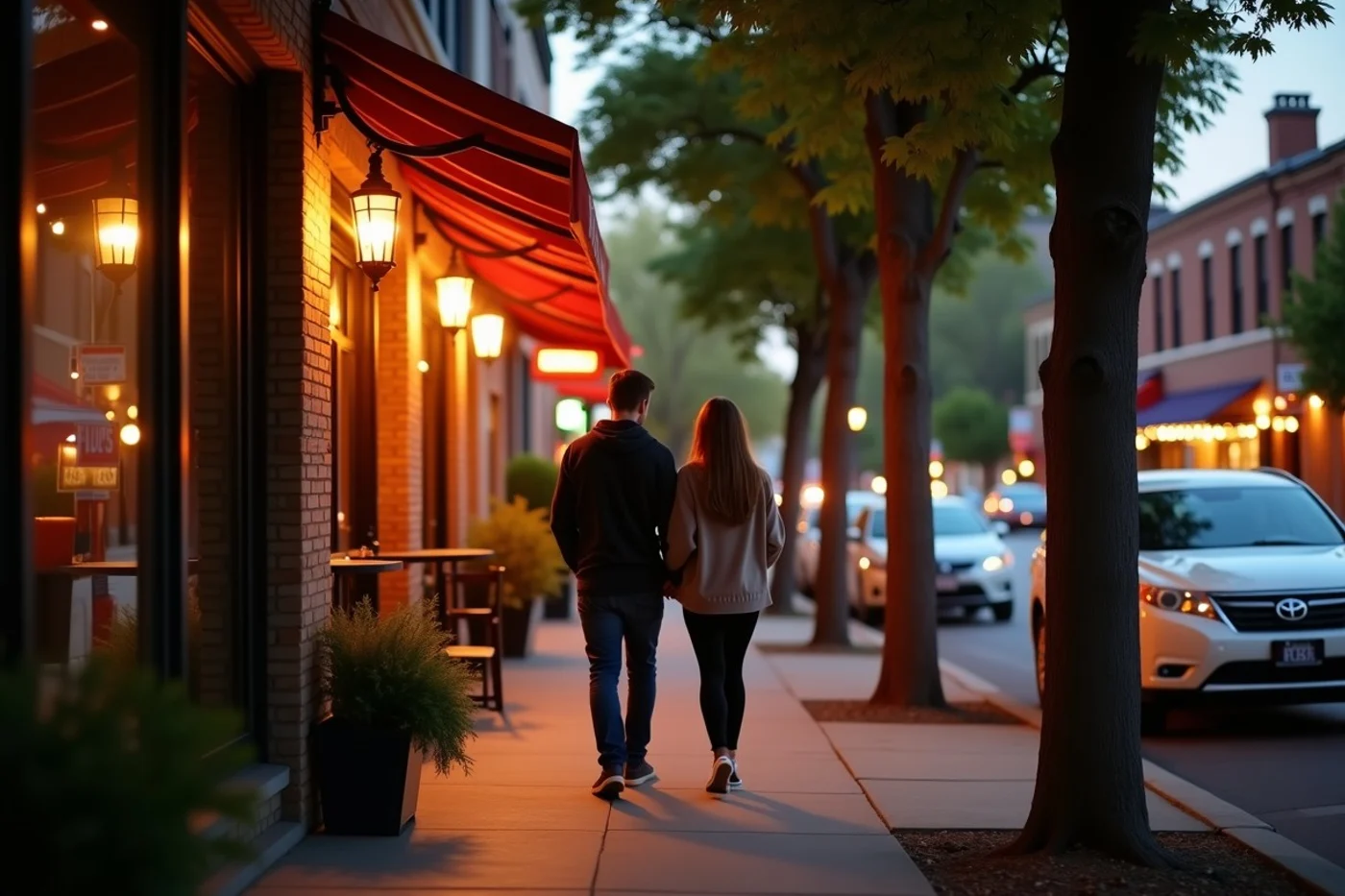
Dallas offers far more useful date formats than a long dinner reservation. Pick an evening that suits the connection: a park walk or coffee for easy conversation, an arts outing for shared discovery, a neighborhood food stop for exploration, or a low-stakes game for playful energy. The strongest plan is usually one you can enjoy without rushing across the city or forcing the date to last longer than either person wants.
Published by Kindred Signal
The best idea depends on the kind of evening

For quiet conversation, choose a setting with a built-in pause rather than a demand to talk nonstop. Coffee followed by a short walk, a picnic-style stop at Klyde Warren Park, or a gallery visit in the Dallas Arts District gives two people something to notice together while leaving room for real questions. These are also sensible low-cost choices: the activity stays modest, and either person can add a drink, dessert, or a second stop only if the evening has momentum.
Light activity suits dates that feel stiff when both people are parked across a table. Browse a market, walk through a garden, take in public art, or choose a simple game where neither person needs to be skilled. Cultural discovery works well for people who like discussing what they saw; the Dallas Museum of Art or a smaller sculpture-and-garden visit creates natural conversation prompts without turning the night into an interview. Keep the plan compact. One museum plus a nearby snack is generally more pleasant than trying to cover every attraction in the district.
Food exploration is best for dates where both people enjoy making small choices together: share a few items, browse a neighborhood block, then stop for dessert. Bishop Arts District lends itself to that unhurried, one-area approach. For playful competition, pick something brief and forgiving, such as an arcade-style game, mini golf, bowling, or trivia, and pair it with a casual drink or meal. The activity should supply energy, not become a contest.
A date works better when the plan has shape
A workable date has a clear beginning, one shared activity, and a natural stopping point. Aim for roughly enough time to settle in without creating an open-ended obligation; choose a noise level that permits conversation; and be honest about walking, driving, stairs, heat, or crowds before you meet. In Dallas, a plan contained within one district is usually kinder than an itinerary that turns the evening into traffic management. Leave the optional second stop as an invitation, not an assumption.
Dinner is not the only conversation setting
A seated meal can be warm and focused, particularly after you already know conversation flows. It can also feel formal on a first meeting, cost more than either person intended, and leave little relief when the chemistry is simply average. Walks create side-by-side conversation and a simple ending, although Dallas weather can make an outdoor-only plan a poor bet. Museums offer objects to discuss and welcome quieter personalities; they fit people who prefer taking in a place together before filling every silence. A coffee shop is inexpensive and time-bounded, but it works best when both people are comfortable making their own conversation. Markets and food halls add browsing and choice, which can reduce pressure but may be crowded or noisy. A class, tasting, or hands-on activity creates participation and a memorable structure, yet it requires more coordination and may be awkward when schedules or physical access needs differ. For a conversation-forward option, a short Dallas Arts District visit followed by coffee provides more texture than dinner alone. For a date that needs movement, a walk through the Dallas Arboretum and Botanical Garden can support a slower pace; agree beforehand on the walking distance and have an indoor alternative in mind during hot, rainy, or storm-prone weather.
For a first meeting in Dallas
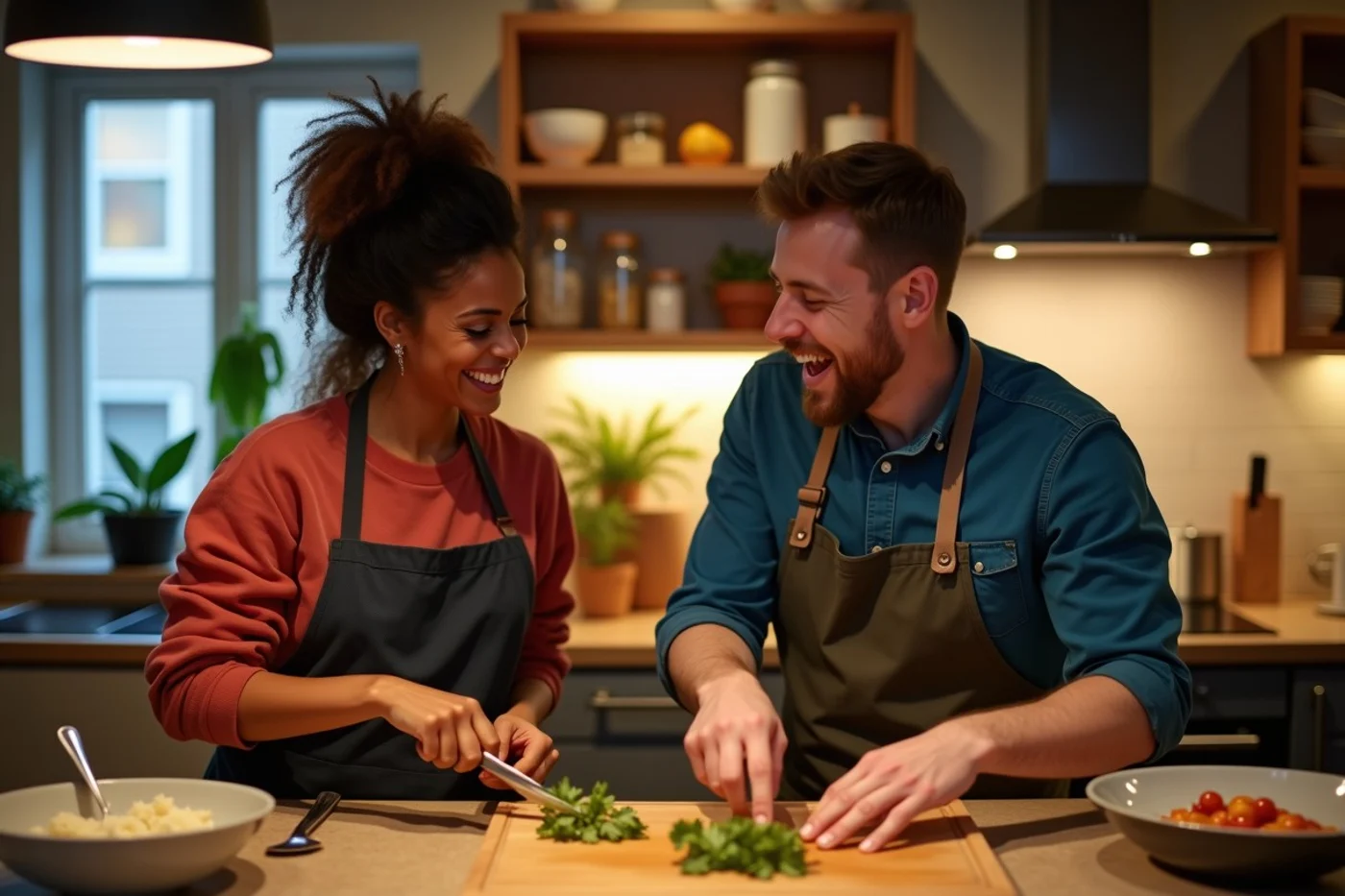
Keep a first meeting public, specific, and short enough that leaving is uncomplicated. Coffee near a walkable district, a daytime museum visit, or a park meet-up with a stated end time gives both people an easy off-ramp without making the date feel cold. Avoid plans that depend on a long car ride, a hard-to-exit ticketed commitment, or several stops across Dallas. Confirm the meeting point, parking or transit plan, and weather backup before the day; vague logistics are an unnecessary source of first-date friction.
Match the plan to the connection
Let familiarity set the scale. Two people who have exchanged only a handful of messages usually need a calm, public plan with a definite end: coffee, a museum hour, or a brief neighborhood stroll. People who have already had an easy first date can choose more structure, such as a garden visit, a cooking class, or a game-based outing. An active plan belongs with someone who has said they enjoy being active, not with someone who may feel pressured to keep pace. Budget deserves the same directness. A low-cost date is not an inferior date; it often signals thoughtfulness when it is built around an actual shared interest. Longer evenings fit when both people have explicitly made room for them, not when one person quietly assumes dinner must become drinks and then another stop. Ask about the shape of the date before booking: quiet or lively, seated or moving, short or open to extending. That small exchange prevents a mismatch between a person seeking focused conversation and one expecting a high-energy night out.
Turn a promising first date into a shared memory
A second date has more meaning when it follows a detail from the first one. Someone who lingered over a painting might enjoy a return to the Arts District with a different exhibit and a nearby dessert. A conversation about plants, photography, cooking, or neighborhood architecture can become a modest outing built around that interest. This is better than treating date two as a mandatory upgrade in price, distance, or intensity.
Make the invitation concrete without overbuilding it: “You mentioned liking sculpture gardens—want to spend an hour at one this weekend?” The person can accept the idea, suggest a variation, or decline without having to manage a grand gesture. Shared memory comes from attention, not spectacle.
A practical fallback when plans change
| Disruption | Fallback |
|---|---|
| An outdoor plan is too hot, rainy, or uncomfortable | Shift to a museum, coffee shop, bookstore, or dessert stop in the same general area. Tell your date before leaving home rather than waiting at the meeting point. |
| The planned spot is crowded or too loud to talk | Move to a quieter nearby café, take a short walk, or shorten the activity and choose one seated stop. A noisy room is not something either person has to endure politely. |
| The activity is unavailable or does not suit a mobility, sensory, or budget need | Offer a simple alternative with fewer commitments: coffee, a park bench conversation, a free public-space walk, or browsing in a compact district. Keep the replacement comparable in effort and cost. |
The memorable Dallas date is rarely the most elaborate one. Choose one area, one shared point of interest, and an ending that feels easy. When the plan reflects how the two of you actually like to spend time, conversation has somewhere to go.