
The strongest dating site for a Black single in West Virginia is not automatically the one with a Black-focused label or the largest national name. Begin with BLK and BlackPeopleMeet, which present themselves for Black singles, then compare their nearby results with broader services such as Hinge, Bumble, and Match. The deciding factors are the people shown within a workable travel range, the care shown in profiles, your relationship intentions, and the account controls you can inspect before committing.
Published by Kindred Signal
A West Virginia Search May Need More Than One Radius
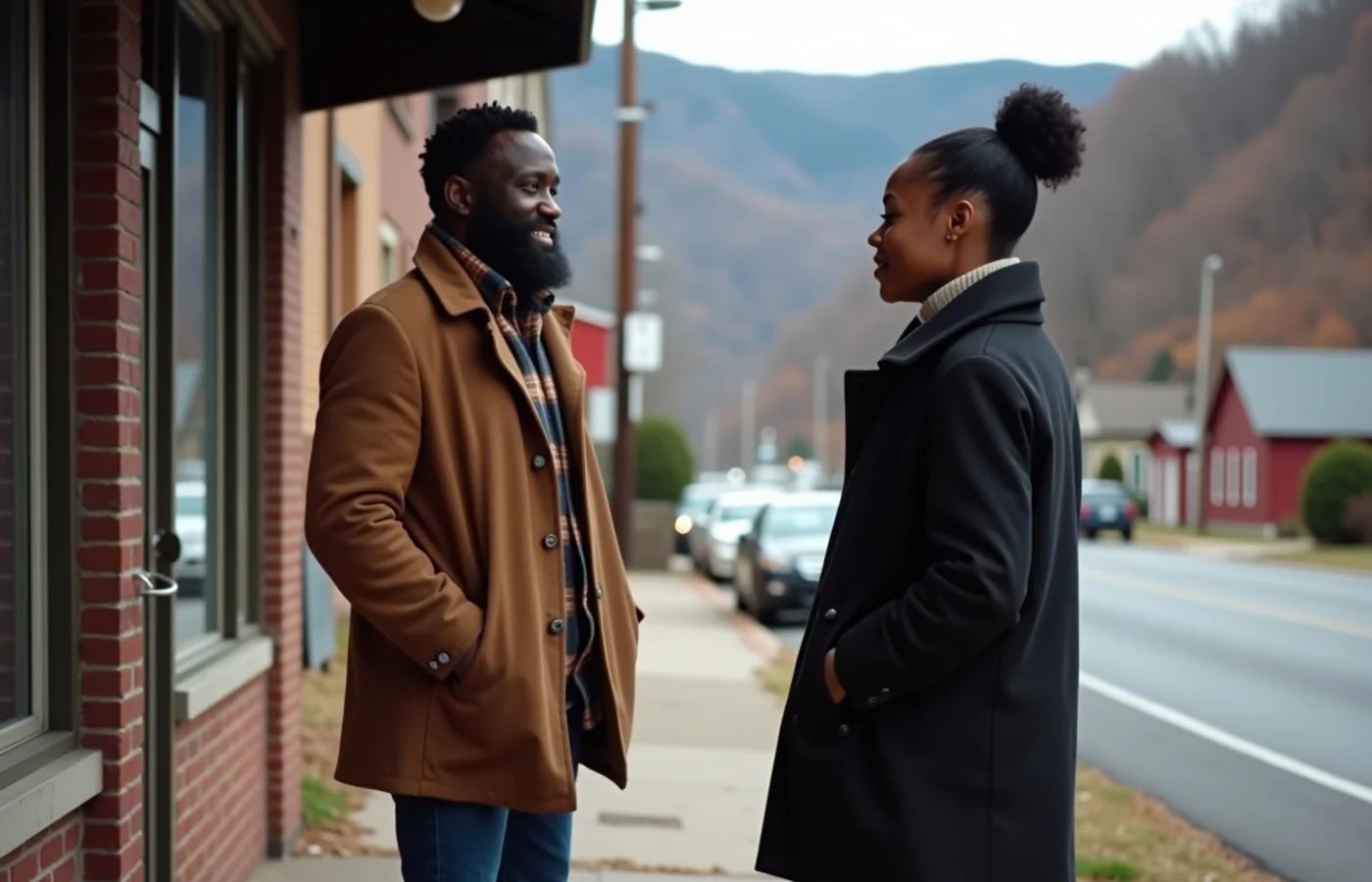
A statewide label conceals a major dating constraint: West Virginia is a collection of distinct travel zones, not one easy local market. A search set around Charleston may produce different possibilities from one centered on Huntington, Morgantown, or Martinsburg. Before judging any service, run the search at a distance you could actually travel for a first meeting and then widen it in measured steps. A match requiring a four-hour drive is not local simply because both people live in the same state.
For many readers, two search ranges tell a clearer story than one. The first can cover ordinary weeknight travel; the second can cover a planned weekend or a nearby state line when both people are open to it. In eastern West Virginia, a regional search may make more sense than a statewide one. In smaller towns, a Black-focused service may return fewer nearby profiles but more immediate cultural relevance, while a broader app may offer more profiles that require more screening.
Community Relevance Is More Than a Category Label
BLK and BlackPeopleMeet deserve a first look because each identifies itself as a service for Black singles. That framing can matter: it may provide space where Black identity is understood as part of a whole life, not a novelty in someone else’s search. Still, the label does not answer the central question. Open profiles and look for people who describe their routines, family commitments, interests, values, and intentions with substance.
On Hinge, Bumble, or Match, examine the same question from another angle. Do profiles let people express cultural background and relationship direction in their own terms? Can you state what matters to you without turning your identity into an audition? Also inspect reporting, blocking, and account settings before investing time. A service earns confidence through the experience it permits, not through its branding alone.
Which Signals Suggest a Healthy Member Experience?
Look for concrete signs, not polished promises: profiles with several grounded details, photos that do not appear copied across accounts, and messages that refer to something a person actually wrote. Search results should show location and enough profile information to decide whether a conversation is worth starting. A clear block and report path matters because it gives you an exit when someone is disrespectful, evasive, or intrusive. Check how an app handles visibility, notifications, and account deletion as well. Filters should narrow the field by matters that shape a real relationship—distance, age range, and stated intentions—without reducing people to a checklist. A crowded feed full of vague or inactive-looking profiles is a warning, even on a service built for your community.
Local Reach or Broader Representation?
Black-focused services and broad dating apps solve different parts of the West Virginia search. BLK and BlackPeopleMeet may be the better starting point for assessing community fit; Hinge, Bumble, and Match can test whether a wider pool produces more people within your day-to-day travel zone. Run the same location and age settings across two services for a short trial, then compare the results by one standard: How many profiles are close enough for a first date without a major trip, and how many show real signs of compatibility? Do not expand a radius merely to make the screen look busier. A regional connection can work when both people discuss travel early and follow through, but it asks for more planning than a date across Charleston or within the Huntington area.
Identity Alignment and Individual Fit
Shared racial identity can shape comfort, communication, family context, and the freedom to be understood without explaining every reference. It still cannot settle compatibility. Look for alignment on relationship direction, children or family responsibilities, faith where relevant, social pace, money habits, and communication style. State your own intention plainly in a profile, then use each service’s relationship-goal fields or profile space to see who seeks something similar. Someone may share your cultural context and still be pursuing a casual arrangement when you seek a committed partnership. That is not a minor mismatch.
A Platform Review Without Overtrusting Testimonials
Reviews can point to questions worth checking, but they are a poor substitute for seeing the service yourself. Read recent comments for recurring, concrete details: trouble ending a subscription, dead profiles, poor location results, account access problems, or reports of unwanted contact. Give little weight to reviews that make sweeping claims without explaining what happened, or to praise that reads like an advertisement. One frustrated account does not establish a pattern; repeated descriptions of the same problem deserve attention.
Inspect the service directly before paying or sharing much personal information. Read the current membership terms, renewal language, cancellation steps, account settings, and reporting options. Confirm which features are visible on a free account and which require payment. A screenshot of a large match queue says almost nothing if those profiles sit outside your travel limit or lack compatible relationship goals.
Compare testimonials against the experience in your own West Virginia search. A review written by someone in a major metro area may have little bearing on a person searching around Morgantown or a rural county. The meaningful test is not a five-star average. It is whether the service shows credible, compatible people within a distance and level of disclosure you can accept.
What to Record During a Trial
Use a brief scorecard while trying two or three services. Note the number of profiles within your first and expanded travel ranges; how often profiles explain relationship intentions; whether messages engage with your profile; and how frequently you encounter blank, repetitive, or suspicious-looking accounts. Record the filters you can access and whether they lead to more compatible results. Separate an unanswered message from a poor member experience: response patterns matter over several conversations, not after one interaction.
Also write down the controls that affect your comfort: who can view your profile, what information is public, how blocking works, where reporting is located, and whether account deletion instructions are easy to find. Include the date you reviewed paid terms so you can compare changes before renewing. After the trial, choose the service that gives you the strongest combination of credible nearby profiles, cultural room to show up fully, and relationship alignment. No app can supply all three on a single screen, but some will ask far less compromise from you.
For Black singles in West Virginia, the soundest approach is a side-by-side trial: one Black-focused service and one broader app, searched at distances you would actually travel. BLK or BlackPeopleMeet may offer stronger community relevance; Hinge, Bumble, or Match may widen the field. Let profile substance, relationship direction, and account controls settle the choice—not marketing language or a statewide map pin.
Sources for this guide
- BLK — official information — BLK
- BlackPeopleMeet — official information — BlackPeopleMeet
- Hinge — official information — Hinge
- Bumble — official information — Bumble
- Match — official information — Match