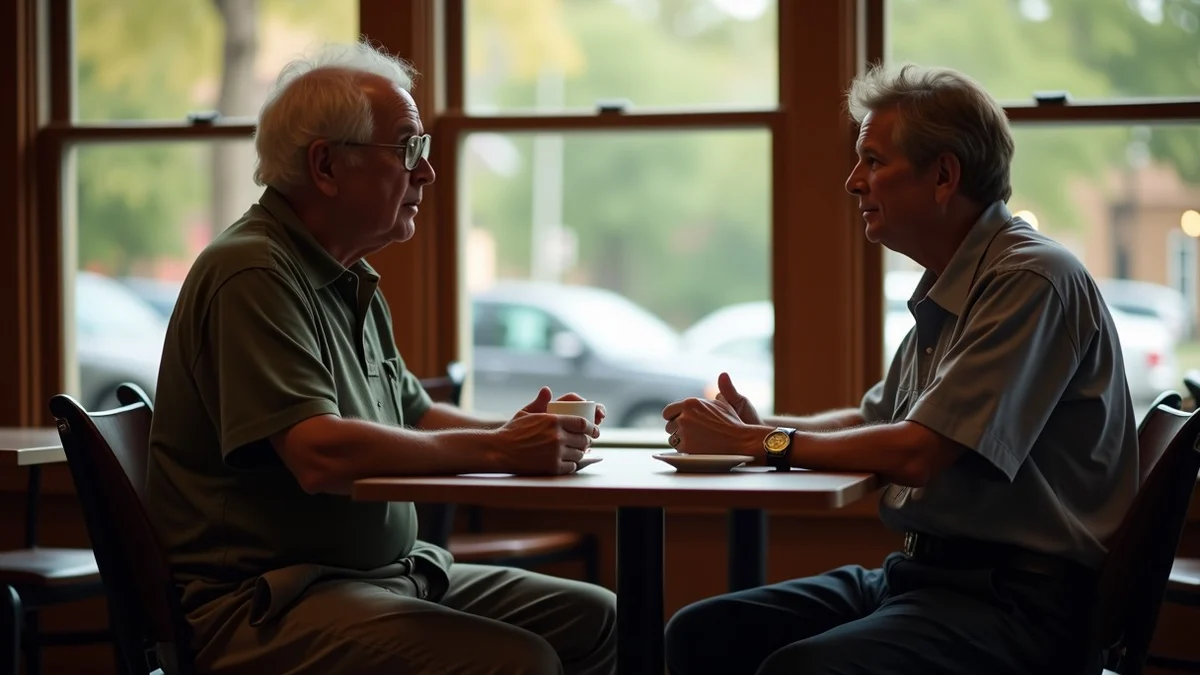
Military singles dating around Huntsville need an app that accommodates changing schedules, a Huntsville–Madison radius they will travel, and a direct conversation about a possible move. Test MilitaryCupid when a military-aware audience matters most; compare Hinge, Bumble, and Match for a broader pool when relationship goals and local reach matter more than a service label. No app automatically takes first place. Compare the people you meet, current profile and location controls, how much identifying information you can withhold, and whether chats hold up through irregular replies. A uniform explains part of a calendar, not compatibility.
Published by Kindred Signal
A Huntsville Match During a Changeable Assignment

Dating in Huntsville may begin during a normal week and then run into training, a changed duty schedule, leave, or a possible reassignment. For people connected to Redstone Arsenal, a sudden change of plans may come from work, not lost interest, but no one should accept endless vagueness. Put broad timing expectations in your profile or raise them early: whether dates usually need advance planning, whether reply gaps occur, and whether a move is possible. Huntsville and nearby Madison add travel concerns as well. Set a radius around trips you would actually make, not a number that turns every promising match into a long drive.
Service Life Should Be Described, Not Used as a Shortcut
MilitaryCupid presents itself around military dating, putting service life in the foreground from the outset. That can reduce the need to explain unfamiliar schedule demands. It cannot tell you whether someone wants the same relationship, handles conflict similarly, or has a compatible life outside work.
Hinge, Bumble, and Match offer a different entry point: military context can sit within a fuller profile instead of organizing it. On either a niche or broad service, describe active-duty, reserve, veteran, or military-connected status only as much as it affects dating. Give equal space to relationship goals, weekends, family ties, interests, and communication habits. Someone who understands service life but wants a very different future is still a mismatch.
Can the App Handle a Nonstandard Schedule?
Put MilitaryCupid on your shortlist when meeting people already open to military dating is central. Add a broader service such as Hinge, Bumble, or Match if Huntsville–Madison is where you date and you want to compare local conversations. Before investing in one app, check its current relationship-intention fields, distance and location settings, notifications, profile-pausing options, and message controls. Features change. The right setup lets you explain slower replies without making every delay seem like disinterest. An app that demands constant attention poorly fits a calendar that cannot supply it.
Which Military Details Belong in a Dating Profile?
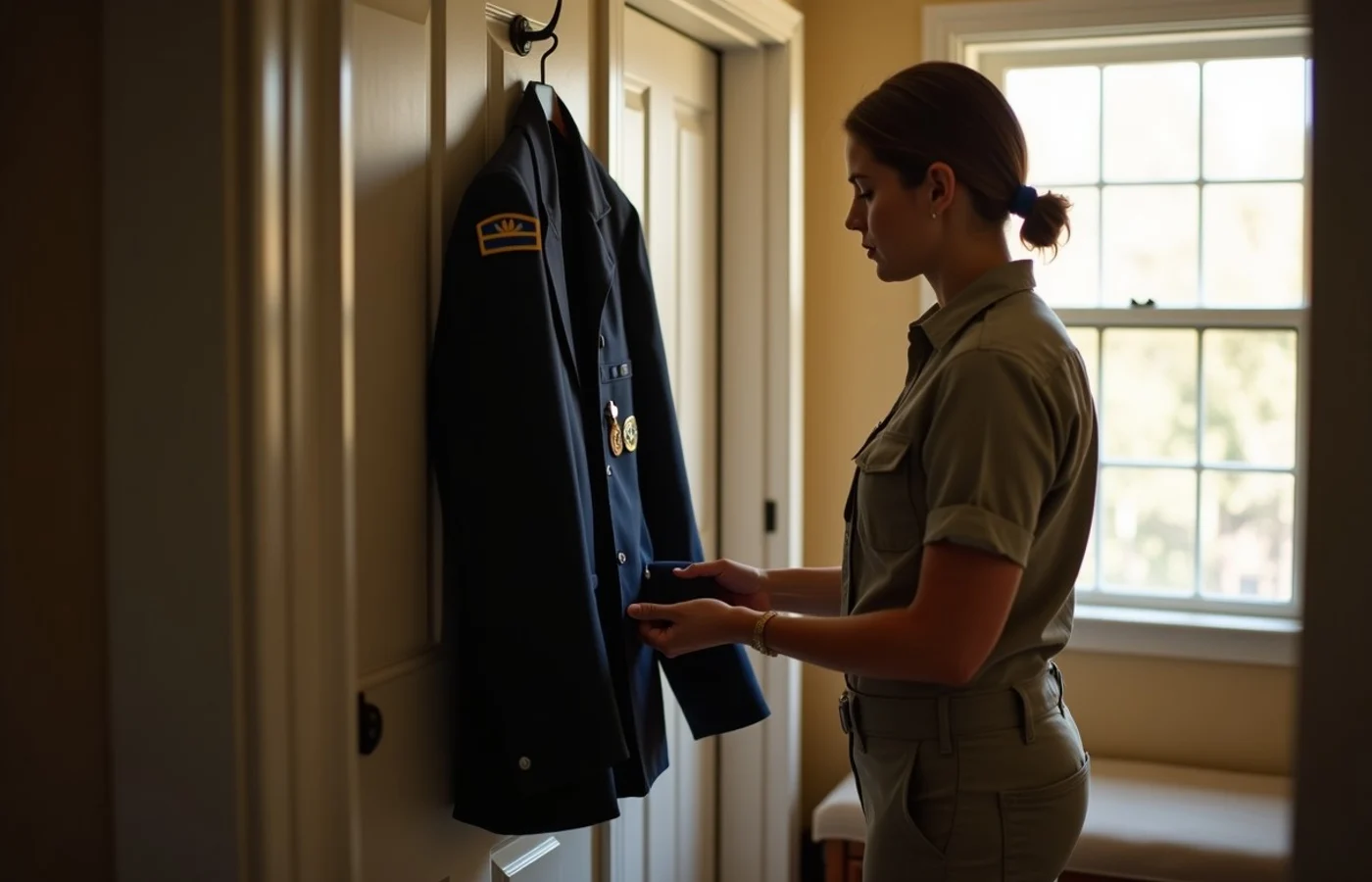
General context is enough: serving or having served, being based in the Huntsville area, and having work hours that shift. A prospective match gets the information needed to decide whether that schedule suits them. Leave out assignment details, workplace locations, exact routines, upcoming travel, identifying paperwork, and photos that reveal too much. Someone connected to Redstone Arsenal need not name a building, gate, team, or commute to be honest about life. Keep early chats in the app until the person and conversation seem credible, and decline money or urgent-help requests from someone you have not met.
Set Relocation Expectations Early
A potential move should not arrive as an afterthought once a connection has momentum. Discuss the broad geographic horizon when it becomes relevant: whether a move is merely possible or actively expected, whether either person would consider long-distance dating, and what distance would be workable in practice. There is no need to share sensitive employment details to have that conversation.
Discuss the terms that affect dating as well. Cover how often you expect to meet, who can travel, what communication during absences feels sustainable, and whether both people want a relationship that could continue after a move. A Huntsville match seeking only regular in-person dating may not fit someone facing an uncertain location, even with strong early chemistry.
Compatibility Beyond the Uniform
Service status answers a narrow question: whether someone knows something about military life. Most decisions are the same ones civilians make. Compare social habits, interests away from work, family plans, travel preferences, financial expectations, conflict style, and the relationship each person wants. An irregular schedule may suit someone who likes quiet evenings and planned time together, while it can frustrate someone who expects spontaneous daily contact. Profiles and early chats should address those differences. Military identity can matter without becoming the whole screening process.
A Short App Trial for Service Members
- Use two services with different audience logic: MilitaryCupid and one broader option such as Hinge, Bumble, or Match. Put the same core profile on both so you compare audiences and tools, not different self-descriptions.
- Set a starting radius that includes Huntsville and Madison only when those trips fit your routine. List a broad location instead of a workplace, exact commute, or regular schedule.
- Read the current account controls before matching. Check how profile visibility, location sharing, notification settings, blocking, reporting, and account pauses work, then adjust the settings before adding more personal detail.
- Run the trial for a defined, limited period. Give attention to profiles with stated relationship intentions and conversations that can continue without an expectation of immediate replies. Do not judge an app by one busy week or a single missed connection.
- Compare the results by fit: Are the profiles complete enough to screen for lifestyle and relationship expectations? Does the distance setting produce people you could realistically meet? Can you use the app without revealing more than you intend? Keep the service that answers those questions best.
A military-centered service can narrow the context, while a broader Huntsville-area app can widen the pool. Choose the option that supports honest timing, a realistic Madison radius, and the relationship shape you can actually sustain.
References
- MilitaryCupid — official information — MilitaryCupid
- Hinge — official information — Hinge
- City of Huntsville — official information — City of Huntsville
- Match — official information — Match
- City of Madison — official information — City of Madison
- Bumble — official information — Bumble